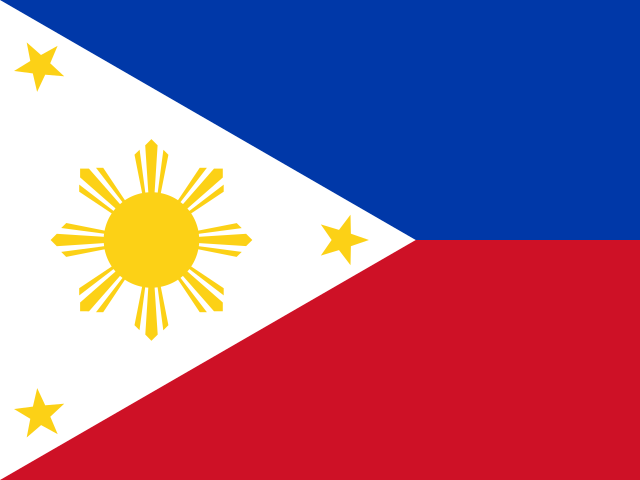
Policy profile on 12 axes
How the Philippines Is Governed
Philippines is a unitary state that scores 0.29 out of 1 on the V-Dem Liberal Democracy Index (2025). Government spending is 25% of GDP (IMF, 2025), the death penalty is abolished and same-sex couples have no legal recognition. Below: the laws, institutions and public spending of the Philippines, scored on the same 12 axes as the test, with every indicator and source.
Policy profile
The 12 axes, indicator by indicator
This profile describes the country's policy regime (laws, institutions and public spending) from published indices, not the views of its people or its current leaders. Data as of October 2026; each value shows its own year.
Ownership+0.30PublicPrivate4 indicators and sources
- State ownership of the economy (coded tier): Typical of OECD economies: state utilities, rail, post, some energy (2026). Source
- Index of Economic Freedom 2026: Property Rights (0-100): 45.8 (2026). Source
- Index of Economic Freedom 2026: Investment Freedom (0-100): 70 (2026). Source
- Index of Economic Freedom 2026: Financial Freedom (0-100): 60 (2026). Source
Markets+0.25PlannedFree5 indicators and sources
- Index of Economic Freedom 2026: Business Freedom (0-100): 69.2 (2026). Source
- Index of Economic Freedom 2026: Labor Freedom (0-100): 57.8 (2026). Source
- Index of Economic Freedom 2026: Monetary Freedom (0-100): 72.1 (2026). Source
- Regulatory Quality, estimate (-2.5 to 2.5): 0.17 (2025). Source
- State ownership of the economy (coded tier): Typical of OECD economies: state utilities, rail, post, some energy (2026). Source
Welfare+0.55SharedSelf-reliant3 indicators and sources
Authority+0.15DemocraticStrong leader2 indicators and sources
Security-0.20LibertyOrder4 indicators and sources
Structure+0.10LocalCentral2 indicators and sources
Morality+0.40ProgressiveTraditional3 indicators and sources
- Same-sex marriage law (0 marriage, 1 civil union or partnership, 2 no recognition, 3 constitutional or statutory ban): No legal recognition (2026). Source
- Abortion law: Prohibited, or only to save the woman's life (2025). Source
- Women, Business and the Law: Legal Framework Index (0-100): 72.53 (2025). Source
Religion-0.35SecularReligious2 indicators and sources
Technology-0.40EmbraceCaution3 indicators and sources
- Research and development expenditure (% of GDP): 0.28 (2020). Source
- Nuclear power policy: Building or officially planning new reactors (2025). Nuclear program revived by executive order in 2023; no plant operating. Source
- Genetically modified crop cultivation: GM crops grown commercially (2025). Source
Culture+0.60MulticulturalNational identity4 indicators and sources
- International migrant stock (% of population): 0.08 (2024). Source
- Citizenship by birth in the territory: None: citizenship by descent only (2025). Source
- Residence required for ordinary naturalization (years; 0 = no ordinary route): 10 years (2025). Source
- Dual citizenship for naturalizing adults: Allowed (2025). Source
Trade-0.55GlobalProtected4 indicators and sources
Foreign policy-0.50CooperationStrength5 indicators and sources
- Military expenditure (% of GDP): 1.3 (2025). Source
- Military conscription: None: volunteer forces or no military (2025). Source
- Nuclear weapons status (0 none, 1 considers, 2 pursues, 3 possesses): No nuclear weapons program (2023). Source
- Party to the Rome Statute of the International Criminal Court: Not a party (never joined, signed only, or withdrew) (2026). Withdrawal took effect in 2019. Source
- Collective defense commitments: Integrated military alliance (NATO, a US mutual defense treaty, ANZUS, CSTO) (2026). Source
Policy neighbours
Governed most like the Philippines
Every other country with a profile, tinted by how close its laws, institutions and public spending are to those of the Philippines on the same 12 axes. The percentage uses the 12 Axes match formula.
- Under 55%
- 65 to 74%
- 85% or more
- This country
- No profile yet
- Indonesia, 83% similar. No. 1 of 62
- Romania, 83% similar. No. 2 of 62
- Hungary, 80% similar. No. 3 of 62
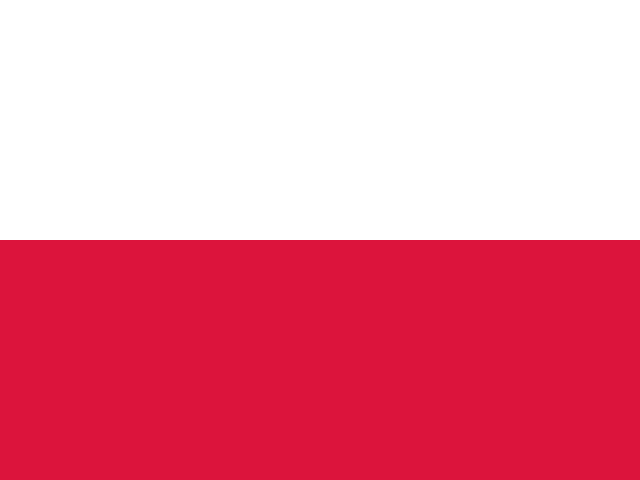
- Poland, 80% similar. No. 4 of 62
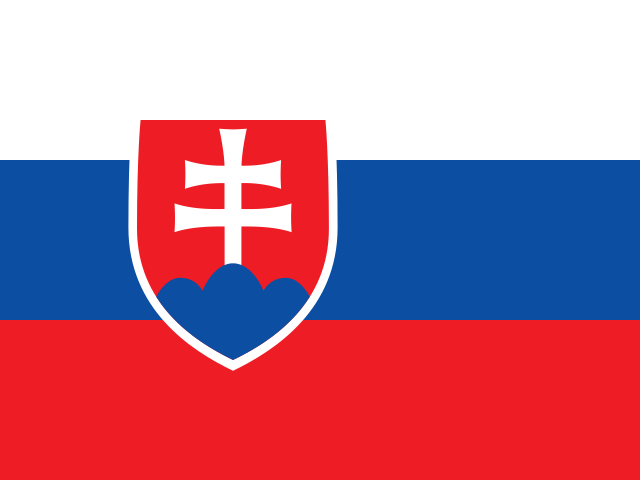
- Slovakia, 80% similar. No. 5 of 62
- South Korea, 78% similar. No. 6 of 62
- Bulgaria, 77% similar. No. 7 of 62
- Japan, 77% similar. No. 8 of 62
- Kenya, 77% similar. No. 9 of 62
- India, 76% similar. No. 10 of 62
- Croatia, 75% similar. No. 11 of 62
- Singapore, 74% similar. No. 12 of 62
- Vietnam, 74% similar. No. 13 of 62
- Chile, 73% similar. No. 14 of 62
- Colombia, 73% similar. No. 15 of 62
- Turkey, 73% similar. No. 16 of 62
- Ukraine, 73% similar. No. 17 of 62
- Czechia, 72% similar. No. 18 of 62
- Malta, 71% similar. No. 19 of 62
- Nigeria, 71% similar. No. 20 of 62
- United Arab Emirates, 71% similar. No. 21 of 62
- Lithuania, 70% similar. No. 22 of 62
- Latvia, 69% similar. No. 23 of 62
- South Africa, 69% similar. No. 24 of 62
- Brazil, 68% similar. No. 25 of 62
- China, 68% similar. No. 26 of 62
- Cyprus, 68% similar. No. 27 of 62
- Estonia, 68% similar. No. 28 of 62
- Italy, 68% similar. No. 29 of 62
- Mexico, 68% similar. No. 30 of 62
- Pakistan, 68% similar. No. 31 of 62
- Slovenia, 68% similar. No. 32 of 62
- United Kingdom, 68% similar. No. 33 of 62
- Uruguay, 68% similar. No. 34 of 62
- Egypt, 67% similar. No. 35 of 62
- Greece, 67% similar. No. 36 of 62
- Netherlands, 67% similar. No. 37 of 62
- Portugal, 67% similar. No. 38 of 62
- Saudi Arabia, 67% similar. No. 39 of 62
- Spain, 67% similar. No. 40 of 62
- Iceland, 66% similar. No. 41 of 62
- Norway, 66% similar. No. 42 of 62
- Argentina, 65% similar. No. 43 of 62
- Sweden, 65% similar. No. 44 of 62
- Switzerland, 65% similar. No. 45 of 62
- Denmark, 64% similar. No. 46 of 62
- Finland, 64% similar. No. 47 of 62
- France, 64% similar. No. 48 of 62
- Ireland, 64% similar. No. 49 of 62
- Russia, 64% similar. No. 50 of 62
- Israel, 63% similar. No. 51 of 62
- Australia, 62% similar. No. 52 of 62
- New Zealand, 62% similar. No. 53 of 62
- Austria, 61% similar. No. 54 of 62
- Belgium, 61% similar. No. 55 of 62
- Canada, 61% similar. No. 56 of 62
- Germany, 60% similar. No. 57 of 62
- Luxembourg, 60% similar. No. 58 of 62
- Venezuela, 60% similar. No. 59 of 62
- United States, 59% similar. No. 60 of 62
- Iran, 56% similar. No. 61 of 62
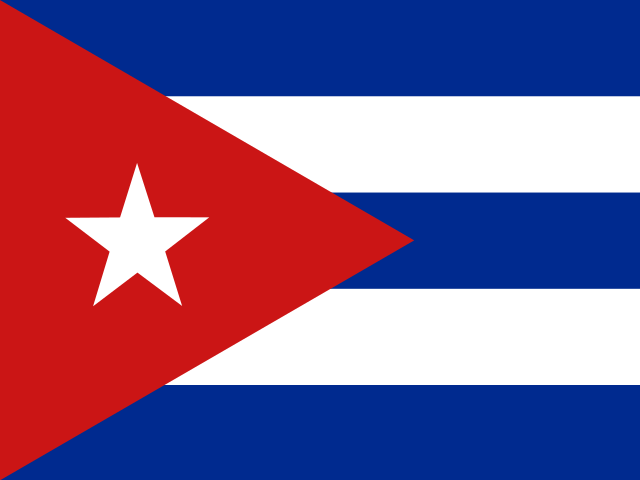
- Cuba, 53% similar. No. 62 of 62
★ Country match · 63 countries ★
See which country matches your politics
Is it the Philippines? Take the 12 Axes test and your result ranks every profiled country by how close its laws, institutions and public spending are to your views.
Find your country
FAQ
Philippines: questions
How is the Philippines governed, on the 12 axes?
Philippines is a unitary state that scores 0.29 out of 1 on the V-Dem Liberal Democracy Index (2025). Government spending is 25% of GDP (IMF, 2025), the death penalty is abolished and same-sex couples have no legal recognition. Its policy regime leans furthest toward National identity on Culture (+0.60), Global on Trade (-0.55) and Self-reliant on Welfare (+0.55), on a scale from -1 to +1.
Which countries are governed most like the Philippines?
On the same 12 axes, the closest policy regimes are Indonesia (83%), Romania (83%) and Hungary (80%). The furthest is Cuba (53%). Matches use the same formula as the 12 Axes test.
Where does the data on the Philippines come from?
From 41 indicators dated 2020 to 2026, published by V-Dem, Freedom House, the Heritage Foundation, the IMF, the OECD, the World Bank, SIPRI, Reporters Without Borders, the World Prison Brief, UN DESA and others. Among them: a press freedom score of 46.8 out of 100 (RSF, 2026), 151 prisoners per 100,000 people (2021), military spending of 1.3% of GDP (SIPRI, 2025) and 0.1% of residents born abroad (UN DESA, 2024). Every value, year and source is listed in the profile above.
Does the profile describe what people in the Philippines think?
No. It describes the policy regime: laws, institutions and public spending. It does not measure public opinion or the speeches of the current government. To see which country is governed closest to your own views, take the 12 Axes test and open the country match on your result.
 United Kingdom
 France
 Canada
 Australia
 India
 Russia
 Israel
 Austria
 Italy