Which Philosopher Are You?
12 statements, 50 thinkers from Thomas Hobbes to Roger Scruton, and the one whose ideas sit closest to yours.
- 12 statements
- 50 thinkers
- About 2 min
- Free, no signup
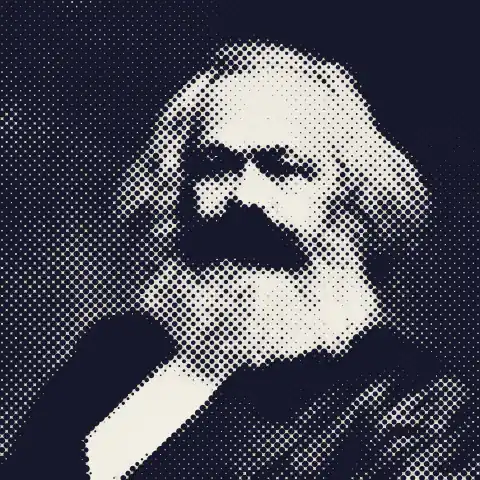


Workers should own a large share of the companies they work for.
How much do you agree?
A match is about political positions only. It is not a judgment of anyone's character or record.
About this quiz
How it works
- Statements
- 12
- Issues
- 10
- Figures
- 50
This quiz compares your views with sourced political profiles of 50 philosophers and political writers, from Thomas Hobbes and John Locke to Hannah Arendt, John Rawls and Robert Nozick. Each profile places the thinker on the same issues you answer: worker ownership, economic planning, charity and the welfare state, strong leaders, drug laws, local power, tradition, questioning your elders, religion and morality, monarchy, military strength and international bodies.
The match is about political positions only. Philosophers wrote for their own time and argued in books, not on a seven point scale, so read your result as the thinker whose stated positions point the same way as yours. Every result links to their page, with sources and what admirers and critics say.
Every statement comes from the bank of the 12 Axes Political Test and is scored the same way, and the match uses the same formula as its historical twin. Read the full methodology.
The line-up
Who you could get
- Thomas Hobbes1588-1679
- John Locke1632-1704
- Montesquieu1689-1755
- Benjamin Franklin1706-1790
- Jean-Jacques Rousseau1712-1778
- Adam Smith1723-1790
- Immanuel Kant1724-1804
- Edmund Burke1730-1797
- Thomas Paine1737-1809
- Jeremy Bentham1748-1832
- Alexis de Tocqueville1805-1859
- John Stuart Mill1806-1873
- Pierre-Joseph Proudhon1809-1865
- Mikhail Bakunin1814-1876
- Henry David Thoreau1817-1862
- Karl Marx1818-1883
- Friedrich Engels1820-1895
- Peter Kropotkin1842-1921
- Joaquim Nabuco1849-1910
- Rui Barbosa1849-1923
- Eduard Bernstein1850-1932
- Jane Addams1860-1935
- W. E. B. Du Bois1868-1963
- Emma Goldman1869-1940
- Rosa Luxemburg1871-1919
- Bertrand Russell1872-1970
- G. K. Chesterton1874-1936
- Antonio Gramsci1891-1937
- Friedrich Hayek1899-1992
- Karl Popper1902-1994
- George Orwell1903-1950
- Ayn Rand1905-1982
- Jean-Paul Sartre1905-1980
- Hannah Arendt1906-1975
- Simone de Beauvoir1908-1986
- Isaiah Berlin1909-1997
- Kwame Nkrumah1909-1972
- Albert Camus1913-1960
- Carlos Lacerda1914-1977
- Aleksandr Solzhenitsyn1918-2008
- Russell Kirk1918-1994
- Irving Kristol1920-2009
- John Rawls1921-2002
- William F. Buckley Jr.1925-2008
- Murray Rothbard1926-1995
- Thomas SowellBorn 1930
- Fernando Henrique CardosoBorn 1931
- Václav Havel1936-2011
- Robert Nozick1938-2002
- Roger Scruton1944-2020
Each one links to a full profile with sources and what admirers and critics say. See the thinkers on one political map
FAQ
Frequently asked questions
Which philosophers are in the quiz?
Thomas Hobbes, John Locke, Montesquieu, Benjamin Franklin, Jean-Jacques Rousseau, Adam Smith, Immanuel Kant, Edmund Burke, Thomas Paine, Jeremy Bentham, Alexis de Tocqueville, John Stuart Mill, Pierre-Joseph Proudhon, Mikhail Bakunin, Henry David Thoreau, Karl Marx, Friedrich Engels, Peter Kropotkin, Joaquim Nabuco, Rui Barbosa, Eduard Bernstein, Jane Addams, W. E. B. Du Bois, Emma Goldman, Rosa Luxemburg, Bertrand Russell, G. K. Chesterton, Antonio Gramsci, Friedrich Hayek, Karl Popper, George Orwell, Ayn Rand, Jean-Paul Sartre, Hannah Arendt, Simone de Beauvoir, Isaiah Berlin, Kwame Nkrumah, Albert Camus, Carlos Lacerda, Aleksandr Solzhenitsyn, Russell Kirk, Irving Kristol, John Rawls, William F. Buckley Jr., Murray Rothbard, Thomas Sowell, Fernando Henrique Cardoso, Václav Havel, Robert Nozick and Roger Scruton. The pool is our thinkers and philosophers section, so it includes writers who also held office, such as Franklin, Havel and Cardoso.
Why are some thinkers missing?
Niccolò Machiavelli, Joseph de Maistre, Mary Wollstonecraft, José Martí, Max Weber, Carl Schmitt, Leo Strauss, Frantz Fanon, Michel Foucault, Noam Chomsky and José Sarney have profiles, but too few documented positions on the quiz's issues for a fair match. Che Guevara is never a result, because as commander of La Cabaña prison in 1959 he reviewed the appeals of revolutionary tribunals that sent people to execution. His page stays on the site with the full record. Our profiles start with Machiavelli, so ancient and medieval thinkers such as Plato, Aristotle and Confucius are not in the set.
How does the philosopher quiz work?
Each statement moves you on one of 10 political axes. Your positions are compared with each thinker's profile on the same axes, and the closest is your match. Profiles come from the thinkers' own published works, not from later interpretations. The percentage shows closeness, not a probability.
Does a match mean I am like this person?
No. The match compares your answers with where each of the thinkers stood on the same issues. It says nothing about character, personal conduct or everything they did in office. Every figure page sets out what admirers and critics say.
Are my answers saved?
Your result is saved anonymously for statistics: the scores and the closest match, with no name or email. Individual answers are kept only if you tick the optional research box. The share link holds your scores, never your answers.
How accurate is it?
Twelve statements give a quick, rough match. The 12 Axes Political Test scores all 12 axes with up to 162 statements and matches you against ideologies, parties and every historical figure, philosophers included.
Keep going
More quick quizzes
- The history match★
Which Historical Leader Are You?
12 statements, more than 190 leaders and thinkers, and one closest match on the issues.
12 statements · About 2 min - The Downing Street match★
Which UK Prime Minister Are You?
12 statements, 18 prime ministers from Robert Peel to Theresa May, and the one whose positions sit closest to yours.
12 statements · About 2 min - The lean meter★
Am I Liberal or Conservative?
12 plain statements, a 0 to 100 lean score, and the topics that pulled you each way.
12 statements · Under 2 min