
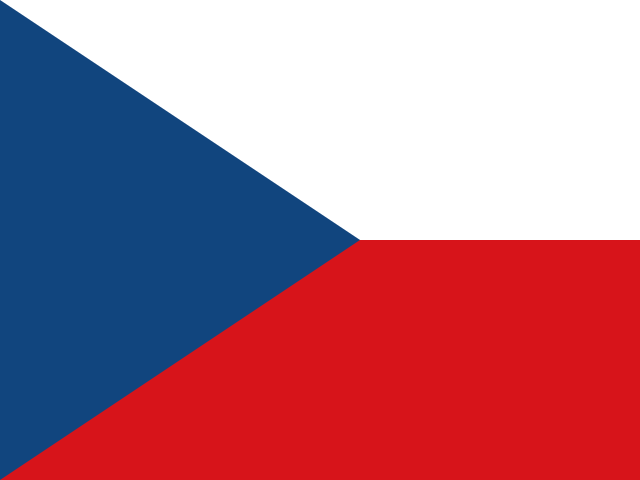
 Czechia
Who was Václav Havel?
Václav Havel grew up in an entrepreneurial family, and the communist authorities barred him from studying the humanities; he worked as a stage technician before plays such as The Garden Party (1963) made his name. His works were banned after the 1968 Warsaw Pact invasion. He co-founded Charter 77, which accused Czechoslovakia of failing to respect its human rights commitments, and was imprisoned several times, most recently from 1979 to 1983. In November 1989 he became the leading figure of the Civic Forum and the non-violent Velvet Revolution. Elected president on 29 December 1989, he led the country to free elections and later served two terms as Czech president until 2003.
Political views
Wrote an open letter to Gustáv Husák in 1975 analyzing the moral costs of post-1968 normalization.
Source: vaclavhavel.czHelped launch Charter 77 in 1977, a movement demanding the observance of human rights in Czechoslovakia.
Source: vaclavhavel.czCo-founded the Committee for the Defence of the Unjustly Prosecuted (VONS) in 1978 to document politically motivated trials.
Source: vaclavhavel.czPushed for Central European cooperation, the dissolution of the Warsaw Pact and joining Western defence structures.
Source: vaclavhavel.czSupported Czech accession to NATO and the European Union.
Source: vaclavhavel.czBacked the rule of law, a Senate, a Constitutional Court and an Ombudsman, and spoke against breaches of minority rights.
Source: vaclavhavel.czInitiated the 1990 meeting of Czechoslovak, Hungarian and Polish leaders that grew into Visegrad cooperation.
Source: vaclavhavel.czCriticized the excessive influence of political parties and of economic interests in politics.
Source: vaclavhavel.cz
Legacy
Internationally Havel is remembered as a moral voice for human rights and peaceful change, and his library describes him as a symbol of the transition from totalitarianism to democracy. At home his standing declined in the late 1990s, when political opponents and tabloid media attacked him, and his 1997 speech criticizing the moral state of Czech society and its politicians deepened conflicts with party leaders. Some critics, including economic liberals, regarded his emphasis on morality and civil society as vague, and he was unable to prevent the 1992 split of Czechoslovakia that he had tried to avoid.
In their words
Our country is not prospering.