 Japan
Who was Yasuhiro Nakasone?
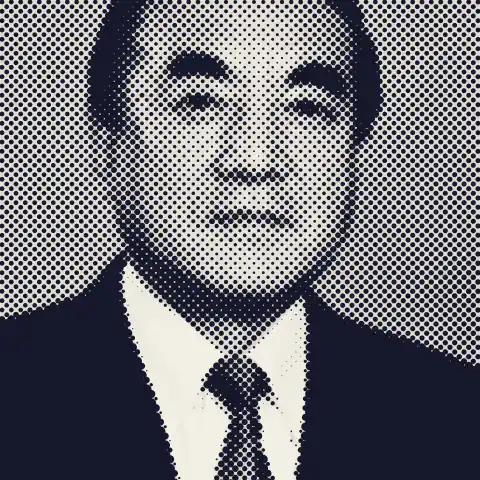
Yasuhiro Nakasone was born in 1918 in Takasaki, Gunma, graduated from Tokyo Imperial University and served as a navy paymaster officer in the Second World War. He entered the House of Representatives in 1947 and stayed for 56 years, leading his own Liberal Democratic Party faction and serving as head of the Defense Agency and minister of international trade and industry. As prime minister from 1982 to 1987 he aimed to settle the questions left by the postwar era, pairing administrative reform at home with a larger security role abroad. He was later touched by the Recruit shares scandal, left the Diet in 2003 and died in Tokyo in 2019, aged 101.
Political views
Privatized Japanese National Railways, splitting it into the JR group companies, as well as Nippon Telegraph and Telephone and Japan Tobacco.
Source: en.wikipedia.orgSought to finalize the settlement of postwar politics through administrative and fiscal reform for a smaller government.
Source: bangkokpost.comSaid Japan should be like an unsinkable aircraft carrier for the United States against Soviet bombers, and built a close partnership with Ronald Reagan.
Source: bangkokpost.comCampaigned for revision of Article 9 of the constitution and an expanded Self-Defense Force, but could not bring revision about.
Source: en.wikipedia.orgMade the first official visit to the Yasukuni Shrine by a sitting prime minister on 15 August 1985, then stopped visiting after protests from China.
Source: en.wikipedia.orgWas a driving force behind building nuclear reactors in resource-poor Japan.
Source: en.wikipedia.orgTried to introduce a broad sales tax, a plan that met strong resistance and was dropped.
Source: en.wikipedia.org
Legacy
Admirers see Nakasone as one of the most consequential postwar prime ministers: his privatizations created the JR railway companies and NTT, his partnership with Reagan deepened the US alliance at the height of the Cold War, and he raised Japan's profile in world diplomacy, including the first official prime ministerial visit to South Korea in 1983. Critics point to his remarks about American minorities, the 1985 Yasukuni visit that angered China and South Korea, and his place in the Recruit scandal. Later critics also revisited his role in building the nuclear power industry after the 2011 Fukushima disaster.