 Japan
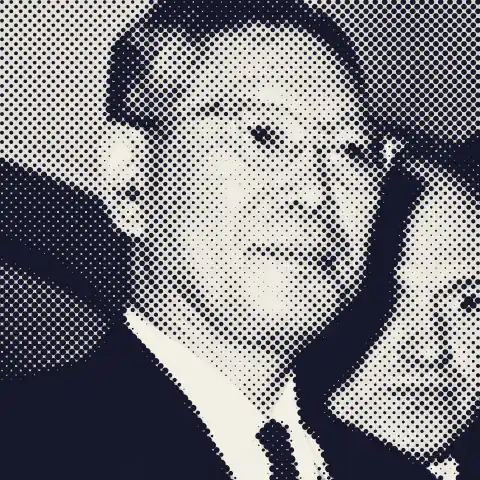
Who was Hayato Ikeda?
Hayato Ikeda was born in Hiroshima Prefecture in 1899, studied at Kyoto Imperial University and joined the Ministry of Finance in 1925, rising to vice minister in 1947. Elected to the House of Representatives in 1949, he became Shigeru Yoshida's finance minister and announced the Dodge Line austerity policy. In 1950 he drew criticism for suggesting that poor people should eat more barley instead of rice. He founded the Kochikai faction of the Liberal Democratic Party in 1957 and in July 1960 succeeded Nobusuke Kishi, who had resigned amid the protests over the security treaty. Ikeda governed until late 1964, when he stepped down with laryngeal cancer and named Eisaku Sato as his successor. He died in August 1965.
Political views
Launched the Income Doubling Plan in 1960, aiming to double the national economy within ten years; it did so in less than seven.
Source: en.wikipedia.orgMade "tolerance and patience" toward the opposition his slogan, in contrast to Kishi's confrontational style.
Source: en.wikipedia.orgSought a negotiated end to the violent 1960 Miike coal mine strike, which was settled through binding arbitration by the Central Labour Relations Commission.
Source: en.wikipedia.orgRaised the share of liberalized imports to 93 percent by 1964 and removed discriminatory foreign exchange controls under IMF Article 8.
Source: jimin.jpExpanded the social safety net, with a universal national pension and universal health insurance from 1961.
Source: en.wikipedia.orgEnacted the Agricultural Basic Law among laws supporting farming, fisheries, forestry and small businesses.
Source: jimin.jpAssured Washington of support for US Cold War policy, including backing Taiwan, and by 1963 dropped the push to revise Article 9.
Source: en.wikipedia.org
Legacy
Admirers see Ikeda as the architect of Japan's economic miracle: growth averaged more than 10 percent a year in the 1960s, and the 1964 Tokyo Olympics showcased the recovery. Historians also credit his conciliatory politics with stabilizing the party system after the 1960 crisis. Critics argue that the growth-first strategy left problems such as industrial pollution and crowded cities for his successors, and that dropping constitutional revision sidestepped a central question of Japan's security. Earlier in his career his remarks about the poor gave him a reputation as a haughty technocrat, and Charles de Gaulle reportedly dismissed him as a transistor salesman.