 Japan
Who is Morihiro Hosokawa?
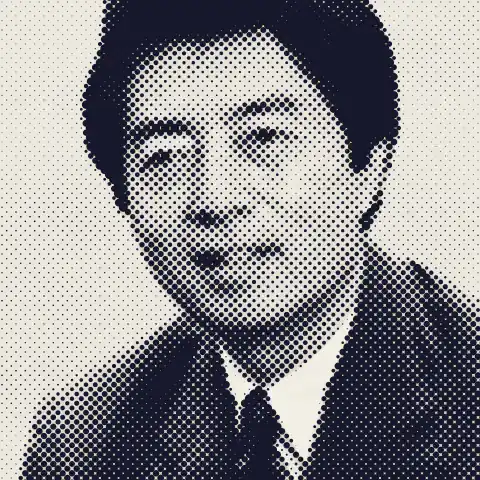
Morihiro Hosokawa was born in Tokyo in 1938, heir to the family that ruled Kumamoto for centuries and a grandson of prewar Prime Minister Fumimaro Konoe. He worked as a journalist for the Asahi Shimbun, entered the House of Councillors for the Liberal Democratic Party in 1971 and served as governor of Kumamoto from 1983 to 1991. In 1992 he founded the reformist Japan New Party. After the LDP lost its majority in July 1993, he became prime minister at the head of an eight-party coalition. He resigned in April 1994 over a loan from the trucking company Sagawa Express and left politics in 1998. In 2014 he ran for governor of Tokyo and lost. He is a former prime minister who holds no office and works as a potter.
Political views
Acknowledged at his first news conference as prime minister that Japan had waged a war of aggression.
Source: en.wikipedia.orgApologized in Seoul in November 1993 for colonial rule and rejected the view that the annexation of Korea benefited Koreans.
Source: en.wikipedia.orgPushed through electoral and campaign finance reform, including limits on corporate donations to candidates.
Source: en.wikipedia.orgAgreed to open Japan's rice market to imports as the GATT Uruguay Round closed in December 1993.
Source: clintonlibrary.govCut income and resident taxes after the asset bubble burst, and briefly proposed raising the consumption tax to 7 percent.
Source: en.wikipedia.orgRan for governor of Tokyo in 2014 on an immediate end to nuclear power, backed by Junichiro Koizumi.
Source: aljazeera.com
Legacy
Supporters remember Hosokawa as the leader who broke the Liberal Democratic Party's long hold on power and whose electoral reform, combining single-member districts with proportional representation, still shapes Japanese elections. His frank statements on the war were welcomed in South Korea and China and set a precedent for later apologies. Critics note that his coalition shared little beyond opposition to the LDP and fell apart within a year, that his reversal on the consumption tax looked improvised, and that he left office under a cloud over the Sagawa loan, which he said he had repaid. His 2014 campaign finished third, behind the winner Yoichi Masuzoe.