 Germany
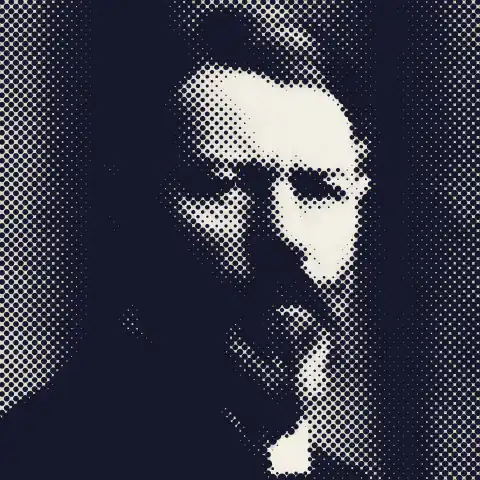
Who was Max Weber?
Max Weber was born in Erfurt, Prussia, in 1864 into a prosperous, politically connected family. He taught at Freiburg and Heidelberg, withdrew from regular teaching after a breakdown in 1903, and returned only in 1919. His works, including The Protestant Ethic and the Spirit of Capitalism (1905) and Politics as a Vocation (1919), helped found modern sociology. During the First World War he moved from support for the war to sharp criticism of the Kaiser's government. In 1918 he co-founded the liberal German Democratic Party, advised the delegation at Versailles and the drafters of the Weimar Constitution, and died of pneumonia in Munich in 1920.
Political views
Defined the state as the body that holds a monopoly on the legitimate use of physical force within a territory.
Source: plato.stanford.eduDistinguished three types of legitimate authority: charismatic, traditional and legal-rational.
Source: plato.stanford.eduWarned that bureaucratic rationalization brings efficiency but threatens to trap individuals in an 'iron cage' and erode freedom.
Source: plato.stanford.eduArgued that a responsible politician needs both an ethic of conviction and an ethic of responsibility for consequences.
Source: en.wikipedia.orgCalled for democratization, universal suffrage and a stronger parliament in wartime Germany, and supported a strong, popularly elected president.
Source: en.wikipedia.orgOpposed both the German Revolution of 1918 and the Treaty of Versailles, rejecting Germany's sole war guilt.
Source: plato.stanford.edu
Legacy
Weber is regarded as one of the founders of sociology, and his ideas about bureaucracy, charisma, legitimacy and the state remain basic tools in political science. Liberals admire his defense of individual freedom against bureaucracy and his realistic account of political leadership and compromise. Critics point to his strong nationalism, his early hostility to Polish immigration and his celebration of national power. Some, including Jurgen Habermas, have argued that his idea of plebiscitary leader democracy and his support for a strong president fed authoritarian currents in Weimar Germany, while defenders stress that he insisted leaders remain accountable to voters. His essay Politics as a Vocation is still widely read as a guide to the ethics of political leadership.