 Japan
Who was Kakuei Tanaka?
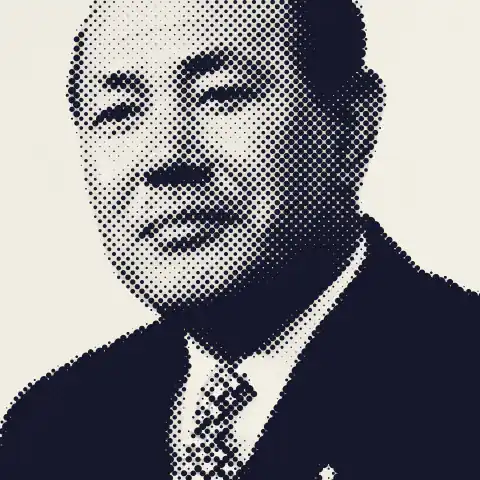
Kakuei Tanaka was born in 1918 in rural Niigata Prefecture, the son of a struggling cattle dealer. He left school as a teenager, studied engineering at night and built a construction company that grew rich on wartime contracts. Elected to the House of Representatives in 1947, he rose through the Liberal Democratic Party as finance minister and trade minister, and became prime minister in July 1972 with record public approval and without a university degree. Inflation, the 1973 oil crisis and a magazine exposé of his finances brought his resignation in December 1974. Arrested in 1976 in the Lockheed bribery scandal and convicted in 1983, he remained the dominant power broker of the LDP until a stroke in 1985. He died in 1993.
Political views
Set out in his 1972 Plan for Remodeling the Japanese Archipelago a network of expressways and high-speed rail to move economic activity from Tokyo and Osaka to the regions.
Source: en.wikipedia.orgNormalized diplomatic relations with the People's Republic of China in September 1972, signing a joint communique in Beijing.
Source: en.wikipedia.orgDoubled national pension benefits, indexed pensions to inflation, introduced free medical care for the elderly and began child allowances.
Source: en.wikipedia.orgVisited the Soviet Union in 1973, the first such visit by a Japanese prime minister since 1956.
Source: en.wikipedia.orgBuilt the largest LDP faction through political maneuvering and extensive use of money, backed by his Etsuzankai support group in Niigata.
Source: en.wikipedia.org
Legacy
Admirers see Tanaka as a self-made outsider who brought roads, bridges, tunnels and bullet trains to neglected regions such as his native Niigata, opened relations with China and expanded the welfare state. His plan, however, fed land speculation and inflation even before the oil shock, and the 1974 exposé and the Lockheed case made him a symbol of money politics. A Tokyo court found him guilty of taking bribes from Lockheed and sentenced him to four years in prison; he stayed free on appeal until his death. Historians widely credit him with shaping the faction based, construction heavy style of LDP rule for a generation.