 Mexico
Who was Venustiano Carranza?
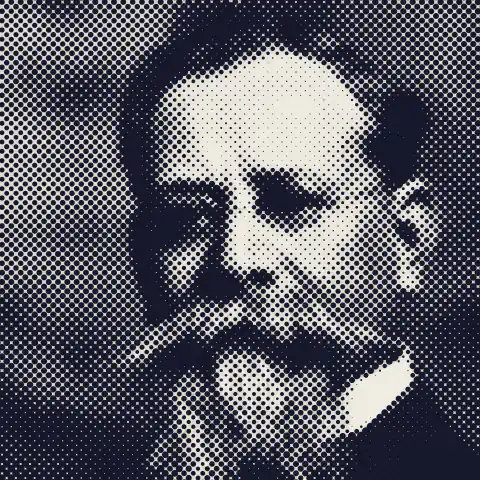
Venustiano Carranza Garza was born in 1859 in Cuatro Ciénegas, Coahuila, into a landowning family, and served as a local official, senator and governor of Coahuila. When Victoriano Huerta overthrew Madero in 1913, Carranza refused to recognize him and issued the Plan of Guadalupe, becoming First Chief of the Constitutionalist Army. After Huerta's fall he broke with Villa and Zapata, and his generals, led by Álvaro Obregón, defeated them in 1915. He convened the Querétaro congress that wrote the Constitution of 1917 and was elected president that year. Facing a revolt by Obregón's supporters, he fled the capital and was killed at Tlaxcalantongo, Puebla, on 21 May 1920.
Political views
Issued the Plan of Guadalupe in March 1913, rejecting Huerta and the legislators and governors who recognized him.
Source: memoriapoliticademexico.orgIssued decrees in 1914 and 1915 on the restitution of village lands, divorce, state control of oil, the free municipality, an eight-hour day and a minimum wage.
Source: memoriapoliticademexico.orgImposed martial law against strikes in August 1916, with the death penalty for strikers, and dissolved the Casa del Obrero Mundial.
Source: memoriapoliticademexico.orgRefused to let foreign governments mediate in Mexico's internal conflict, insisting that national sovereignty be respected.
Source: es.wikisource.orgDefended a strong presidency against a parliamentary system in his address to the 1916 constitutional congress.
Source: memoriapoliticademexico.orgKept Mexico neutral in the First World War and rejected the Monroe Doctrine as a tutelage imposed on the nations of America.
Source: memoriapoliticademexico.orgHis government's 1917 Constitution claimed national ownership of the subsoil, including oil, a source of long tension with the United States.
Source: history.state.gov
Legacy
Carranza is remembered as the founder of the constitutional order that emerged from the Revolution, and his doctrine of non-intervention shaped Mexican foreign policy for decades. Admirers credit him with restoring a civilian state, defending sovereignty against foreign pressure and convening the 1917 Constitution. Critics note that many of its social articles were written by more radical delegates over his more conservative draft, that he distributed little land while returning confiscated estates to their former owners, that he repressed unions, and that his government used harsh methods in Morelos and was responsible for the killing of Zapata in 1919 and the execution of General Felipe Ángeles. His attempt to impose Ignacio Bonillas as his successor provoked the rebellion that ended his life.
In their words
Equality, mutual respect for institutions and laws, and the firm and constant will never to intervene, under any pretext, in the internal affairs of other countries have been the fundamental principles of the international policy that the Executive under my charge has followed.