 Mexico
Who was Benito Juárez?
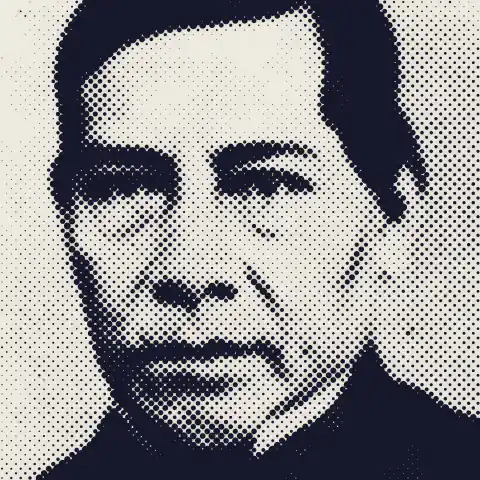
Benito Pablo Juárez García was born in 1806 in San Pablo Guelatao, a Zapotec village in Oaxaca, and was orphaned at three. He trained as a lawyer, served as governor of Oaxaca and was exiled by Santa Anna before returning with the Revolution of Ayutla. As president of the Supreme Court he assumed the presidency in 1858, when conservatives rejected the 1857 Constitution, and led the liberal side in the Reform War. He resisted the French intervention and the empire of Maximilian of Habsburg until the republic was restored in 1867. He died in office in July 1872.
Political views
As justice minister in 1855 he drafted the Juárez Law, which abolished the special courts of the clergy and the army for civil cases.
Source: memoriapoliticademexico.orgIssued the 1859 Reform Laws nationalizing Church property and creating civil marriage and a civil registry, followed by freedom of worship in 1860.
Source: memoriapoliticademexico.orgSuspended payments on the foreign debt for two years in 1861, which Spain, Britain and France answered with a joint intervention.
Source: memoriapoliticademexico.orgRefused to pardon Maximilian, who was executed in 1867 under the republic's law against the intervention.
Source: memoriapoliticademexico.orgMade free, secular primary schooling a state responsibility and founded the National Preparatory School.
Source: memoriapoliticademexico.orgKept press freedom despite harsh satire and decreed a broad amnesty in 1870 for former opponents.
Source: memoriapoliticademexico.org
Legacy
Juárez is honored in Mexico as the defender of the republic against foreign rule and the architect of the secular state, and he is often described as Mexico's first Indigenous president. Admirers stress his legalism, his personal austerity and his insistence that law, not force, should govern relations between nations. Critics on the right have long condemned his attacks on the Church and the McLane-Ocampo treaty his government negotiated with the United States, which was never ratified. Historians also point out that liberal land laws stripped many Indigenous communities of their common lands, and that his repeated re-elections divided his own party and helped set the stage for Porfirio Díaz.
In their words
Between individuals, as between nations, respect for the rights of others is peace.