 Mexico
Who was Francisco I. Madero?
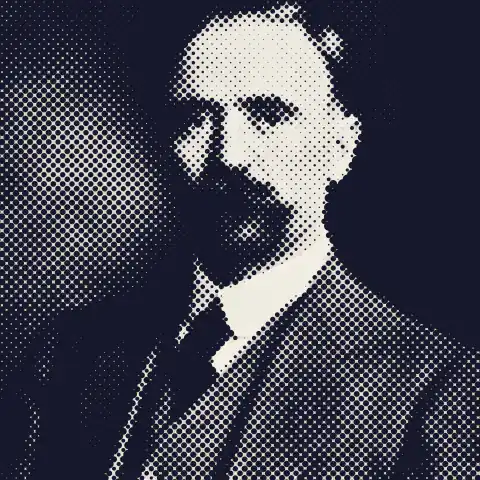
Francisco Ignacio Madero González was born in 1873 into a wealthy family of Parras, Coahuila, and studied in the United States and France. In 1908 he published The Presidential Succession in 1910, and in 1909 he helped found the Anti-Reelectionist movement, touring the country in a campaign that was new in Mexican politics. Jailed during the 1910 election, he escaped to Texas and issued the Plan of San Luis calling for an uprising on 20 November. After Díaz resigned, Madero won the presidency in late 1911. Rebellions on the left and right weakened his government, and in February 1913 General Victoriano Huerta overthrew him. Madero was killed days later.
Political views
Campaigned for effective suffrage and no re-election, and had the constitution amended in 1911 to bar re-election of presidents and governors.
Source: memoriapoliticademexico.orgDenounced the subordination of Congress, the courts, the states and the municipalities to the executive under Díaz.
Source: es.wikisource.orgPromised in the Plan of San Luis to review and restore land taken from small owners, mostly Indigenous, under the vacant land laws.
Source: es.wikisource.orgAs president respected press freedom and the autonomy of Congress, the courts and state and local governments.
Source: memoriapoliticademexico.orgCreated a federal Department of Labor and a National Agrarian Commission, while his government repressed strikes.
Source: en.wikipedia.orgDecreed a tax on crude oil production in 1912, a step that displeased foreign oil companies.
Source: memoriapoliticademexico.org
Legacy
Madero is remembered in Mexico as the 'apostle of democracy', the leader who ended the long Díaz regime and whose murder turned him into a martyr of the Revolution. Admirers praise his commitment to free elections, civil liberties and legal change. Critics on the left, including Emiliano Zapata, accused him of betraying the peasants by moving too slowly on land reform and leaving the old federal army in place, while conservatives saw him as naive and unable to keep order. Historians also debate the role of the United States ambassador Henry Lane Wilson in the coup that overthrew him. His slogan 'Effective suffrage, no re-election' became a lasting principle of Mexican politics.
In their words
Both the legislative and the judicial power are completely subordinated to the executive; the division of powers, the sovereignty of the states, the freedom of the municipalities and the rights of the citizen exist only on paper in our Magna Carta.