 Japan
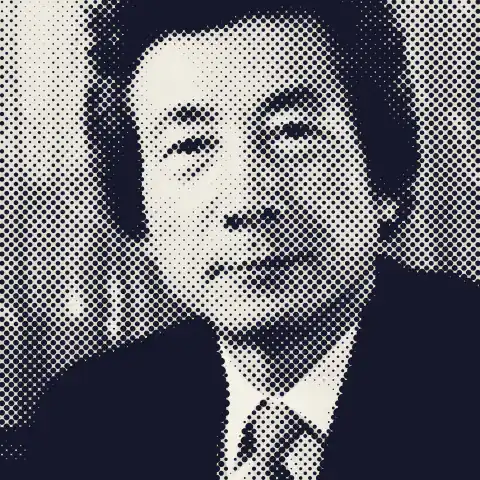
Who is Junichiro Koizumi?
Junichiro Koizumi was born in 1942 in Yokosuka, Kanagawa, into a political family, and studied economics at Keio University and in London. He entered the House of Representatives in 1972 and served as health minister and posts minister. Running as an outsider against the party's factions, he won the Liberal Democratic Party presidency in April 2001 and became one of the most popular prime ministers in postwar Japan. When the upper house rejected his postal privatization bill in 2005, he dissolved the lower house and won a landslide. He stepped down in 2006, left the Diet in 2009 and has since campaigned against nuclear power. He is a former prime minister who holds no office and does not lead a party.
Political views
Made privatization of Japan Post and its postal savings system his central reform, and won the 2005 election called after the upper house rejected the bill.
Source: en.wikipedia.orgAppointed Heizo Takenaka in 2002 to resolve the banking crisis, and the bad loan ratio of major banks fell to about half its 2001 level.
Source: en.wikipedia.orgDeployed the Self-Defense Forces to Iraq, their first mission in an active foreign war zone since the Second World War.
Source: en.wikipedia.orgVisited Pyongyang in 2002 and signed a declaration with Kim Jong Il, who admitted the abduction of Japanese citizens.
Source: en.wikipedia.orgVisited the Yasukuni Shrine six times as prime minister, including on 15 August 2006, despite strong objections from China and South Korea.
Source: en.wikipedia.orgPledged in 2006 to submit a bill letting women ascend the imperial throne, then withdrew it after the birth of Prince Hisahito.
Source: en.wikipedia.orgHas called since 2013 for Japan to abandon nuclear power, arguing that there is no safe way to dispose of nuclear waste.
Source: nippon.com
Legacy
Supporters credit Koizumi with breaking the grip of LDP factions, cleaning up the banks' bad loans, privatizing Japan Post and bringing a long stretch of economic recovery, delivered with a media savvy style that made him unusually popular. Critics argue that his market reforms widened inequality and job insecurity, and that cuts to regional public works hurt rural Japan. His annual Yasukuni visits froze summit diplomacy with China and South Korea. Some former allies accuse him of inconsistency for opposing nuclear power after supporting it in office.