 Italy
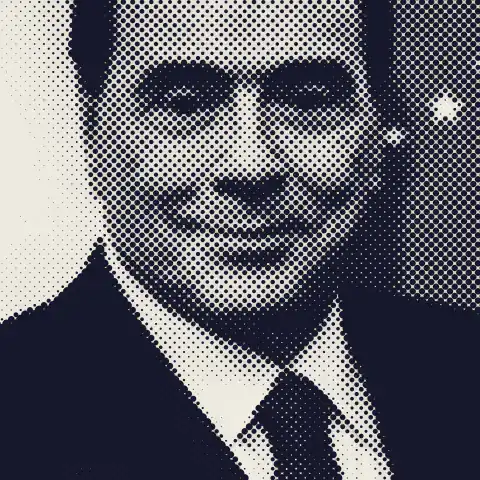
Who was Silvio Berlusconi?
Silvio Berlusconi was born in Milan and made his fortune in property development before building Italy's largest private television group, Fininvest, later Mediaset, and buying AC Milan. In 1994, after the collapse of the old parties in the Mani pulite scandals, he founded Forza Italia and won the election within months, leading Italy's first right-wing coalition since the war, which included post-fascists and the Northern League. He returned to power in 2001 and 2008, becoming the longest-serving postwar prime minister. He resigned in November 2011 during the eurozone debt crisis. Expelled from the Senate after a 2013 tax fraud conviction, he later returned as an MEP and senator and died in Milan in June 2023.
Political views
Described himself as a moderate, a liberal and a supporter of free trade, promising a "liberal revolution".
Source: en.wikipedia.orgSigned a televised Contract with the Italians in 2001, pledging among other things to cut income tax to two rates.
Source: en.wikipedia.orgProposed a presidential republic, a smaller parliament and a reform of the judiciary that separated the careers of judges and prosecutors.
Source: en.wikipedia.orgPassed the Bossi-Fini immigration law of 2002, which made expulsion of irregular migrants easier.
Source: en.wikipedia.orgSigned a 2008 treaty with Libya that paid compensation for colonial rule in exchange for measures against illegal migration.
Source: en.wikipedia.orgSupported the US-led wars in Afghanistan and Iraq while pressing for closer ties between Russia and the European Union.
Source: en.wikipedia.org
Legacy
Supporters credit Berlusconi with uniting the Italian centre-right, introducing a modern, personal style of campaigning and championing lower taxes and business. Critics argue that his media empire and influence over the public broadcaster created an unprecedented conflict of interest, that he passed laws serving his own business and legal interests, and that he mismanaged public finances and raised the debt. He also faced dozens of trials: his 2013 conviction for tax fraud in the Mediaset case was final and led to community service and a ban from office, while a 2013 conviction for paying an underage prostitute and abusing his office was overturned on appeal in 2014. Historians also note that he brought post-fascist and nationalist parties into government.