 Italy
Who was Bettino Craxi?
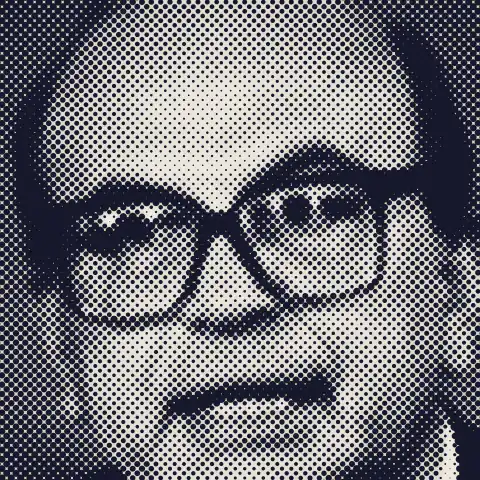
Bettino Craxi was born in Milan and rose through the Socialist Party's autonomist wing close to Pietro Nenni. Elected secretary in 1976 after a poor election result, he ended years of factional fighting and turned the PSI into a modern, reformist party that competed with both Christian Democracy and the Communists. In 1983 he became Italy's first Socialist prime minister, leading a five-party coalition until 1987, one of the longest governments of the Republic. In the early 1990s the Mani pulite investigations exposed a system of illegal party funding. Convicted of corruption and illicit financing, Craxi left for his villa in Hammamet, Tunisia, in 1994 and died there in January 2000.
Political views
Distanced the Socialist Party from Leninism and authoritarian socialism, toward a liberal socialist tradition.
Source: en.wikipedia.orgCut wage-price indexation (the scala mobile) to curb inflation, and won the 1985 referendum the Communists called to restore it.
Source: en.wikipedia.orgSigned the 1984 agreement with the Holy See declaring that Catholicism was no longer the sole religion of the Italian state.
Source: en.wikipedia.orgRefused President Reagan's demand in October 1985 to hand over the Achille Lauro hijackers, leading to a standoff between Italian and American troops at Sigonella.
Source: en.wikipedia.orgDefended Italy's place in NATO and the European Community while keeping close ties with the Arab world.
Source: en.wikipedia.orgAdmitted that the PSI had been financed illegally, arguing that all parties did the same, while denying personal corruption.
Source: en.wikipedia.org
Legacy
Supporters remember Craxi as a modernizer who gave the Italian left an alternative to communism, stood up to Washington at Sigonella and presided over years of growth in which Italy joined the G7. Critics see him as the symbol of the corruption of the First Republic. He received final prison sentences for corruption and illicit party financing, including a sentence of five and a half years, and left for Tunisia in 1994 to avoid jail; Italian courts considered him a fugitive, while he and his supporters described his stay as political exile. Inflation often stayed in double figures during his years in office. Former Communists remain his harshest critics, while parts of the centre-right later claimed his legacy.