 Italy
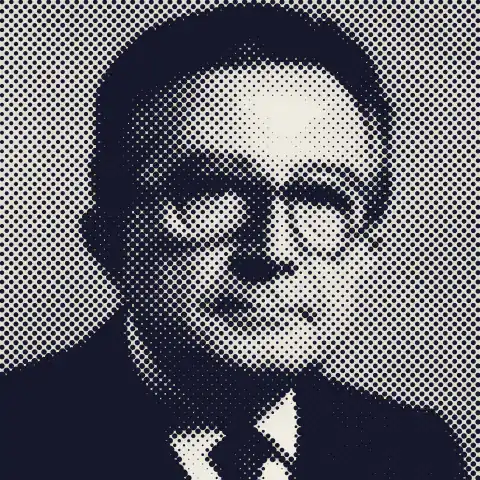
Who was Giulio Andreotti?
Giulio Andreotti was born in Rome and rose through Catholic student organizations to become a protégé of Alcide De Gasperi, who made him undersecretary to the prime minister in 1947. Over the next four decades he served as minister of the interior, finance, treasury, defence, budget and foreign affairs. He led seven governments: in 1972-1973, in 1976-1979, when the Communists gave the government outside support during the national solidarity years and the Moro kidnapping, and again from 1989 to 1992, the last Christian Democrat prime minister. Named senator for life in 1991, he spent much of the following decade in court, and died in Rome in 2013.
Political views
Led the national solidarity government of 1976-1979, supported from outside by the Communist Party, which refused to bargain with the Red Brigades over Aldo Moro.
Source: en.wikipedia.orgOpposed legal divorce and abortion as a Catholic, though he could not prevent abortion being legalized in May 1978 under his government.
Source: en.wikipedia.orgSupported NATO firmly while seeking détente with the Soviet Union and closer ties with Arab countries as foreign minister.
Source: en.wikipedia.orgRevealed the existence of Operation Gladio, NATO's secret stay-behind network in Italy, in 1990.
Source: en.wikipedia.orgHelped secure agreement on a binding timetable for economic and monetary union in the run-up to the Maastricht Treaty.
Source: en.wikipedia.orgAs undersecretary in 1949, set screen quotas and loans to protect Italian cinema from American competition.
Source: en.wikipedia.org
Legacy
Admirers saw Andreotti as the indispensable statesman of the First Republic, a skilled mediator trusted by the civil service, the Church and Italy's allies, known for dry wit. Critics saw him as the symbol of a system of patronage and secrecy. In Palermo he was tried for association with the Mafia: the appeal court ruled in 2003, confirmed by the Court of Cassation in 2004, that he had taken part in the criminal association until the spring of 1980 but that the offence was extinguished by the statute of limitations, and acquitted him for later years. In Perugia he was convicted in 2002 of complicity in the 1979 murder of the journalist Mino Pecorelli and sentenced to 24 years, but the supreme court definitively acquitted him in 2003.
In their words
Apart from the Punic Wars, for which I was too young, I have been blamed for everything that's happened in Italy.