 France
Who was Adolphe Thiers?
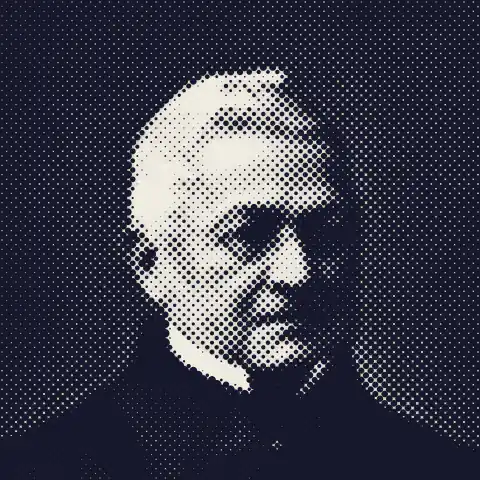
Adolphe Thiers was a journalist from Marseille whose history of the French Revolution made his name in the 1820s. He helped bring Louis-Philippe to the throne in 1830, served as interior minister and was prime minister in 1836 and 1840. Under the Second Republic he was a leader of the conservative majority and was arrested and went briefly into exile after Louis-Napoléon's 1851 coup. Returning to parliament in 1863 as a liberal critic of the Empire, he opposed the 1870 war. After the defeat he was chosen head of the executive in February 1871, made peace with Germany, crushed the Paris Commune and became president of the Republic. He resigned in May 1873 after losing the support of the monarchist majority.
Political views
Argued in 1849 that unlimited liberty leads to a barbaric society in which the strongest oppress the rest, and that each person's liberty stops at another's.
Source: en.wikipedia.orgProposed the 1850 electoral law requiring three years' residence, which removed about a third of French voters from the rolls.
Source: en.wikipedia.orgSupported the Falloux laws of 1850, which gave the Catholic Church a larger place in French schooling.
Source: en.wikipedia.orgCalled for protection of French industry and opposed lowering tariffs as president.
Source: en.wikipedia.orgSent the army to retake Paris from the Commune in May 1871.
Source: en.wikipedia.orgFinanced the German war indemnity through two large loans and higher taxes, ending the occupation of French territory.
Source: elysee.frCame to favor a conservative republic, a design that the monarchist majority of the Assembly opposed.
Source: elysee.fr
Legacy
Conservatives and moderate republicans long honoured Thiers as the "liberator of the territory" who rebuilt the state after the defeat of 1870 and helped found the Third Republic. For the left he remains the butcher of the Commune: during the Bloody Week of May 1871 government troops killed an estimated 10,000 to 15,000 Communards in combat or by summary execution, by most recent counts, with contemporary socialist accounts giving 20,000 or more, while the Communards executed about a hundred hostages. More than 43,000 people were taken prisoner and about 10,000 were sentenced to prison or deportation. Critics also recall his narrowing of the vote in 1850 and his repression of the Lyon revolt of 1834.
In their words
Our goal is not to exclude the poor from voting, but to exclude the vile multitude, those who have handed over the liberty of so many republics to so many tyrants over the years.