 France
Who was Georges Clemenceau?
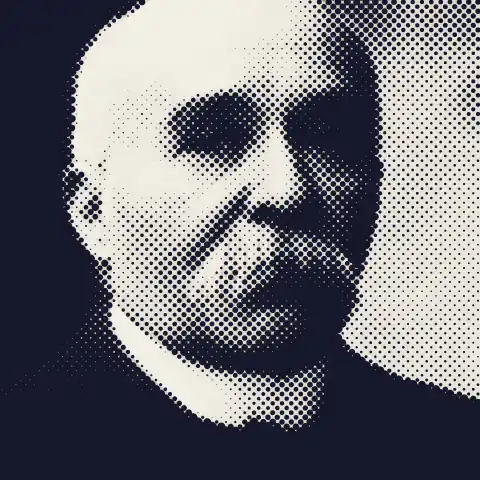
Georges Clemenceau trained as a doctor, spent several years in the United States and became mayor of Montmartre during the siege of Paris in 1870. As a deputy from 1871 and leader of the Radical far left, he was known as a destroyer of ministries and an opponent of Jules Ferry's colonial wars. Defeated in 1893, he returned through journalism, publishing Zola's "J'accuse" in L'Aurore in 1898, and entered the Senate in 1902. He was interior minister and then prime minister from 1906 to 1909. Recalled to power in November 1917, he led the war effort to victory and presided over the Paris Peace Conference. He lost the 1920 presidential vote in parliament and retired.
Political views
Published Émile Zola's open letter "J'accuse" on the front page of L'Aurore in 1898 and campaigned for a review of the Dreyfus case.
Source: en.wikipedia.orgOpposed Jules Ferry's colonial expansion on moral grounds and as a distraction from recovering Alsace and Lorraine.
Source: en.wikipedia.orgLed the campaign for the separation of church and state that produced the law of 1905.
Source: en.wikipedia.orgHad once called for abolishing the Senate as a stronghold of conservatism before serving in it for eighteen years.
Source: publicsenat.frUsed the army against striking miners in the Pas-de-Calais and against the wine growers' revolt in the south in 1906-1907.
Source: en.wikipedia.orgRejected any negotiated peace in 1917 and pursued the war until victory.
Source: en.wikipedia.orgSought reparations, the return of Alsace-Lorraine, limits on German arms and an Allied occupation of the Rhineland at the 1919 peace conference.
Source: en.wikipedia.org
Legacy
In France Clemenceau is remembered as Father Victory, the leader whose energy held the country together in the last year of the First World War, and as a defender of Dreyfus and of a secular republic. Many on the left, however, never forgave the strikebreaking of his first ministry, which ended his alliance with the socialists. Economists such as John Maynard Keynes blamed the harsh terms he sought at Versailles for German resentment, while French nationalists including Marshal Foch thought the treaty too lenient. Historians also note his opposition to votes for women and his heavy-handed treatment of wartime critics. His refusal to campaign for the presidency in 1920 left him outside office for his last decade.