 France
Who was Napoleon III?
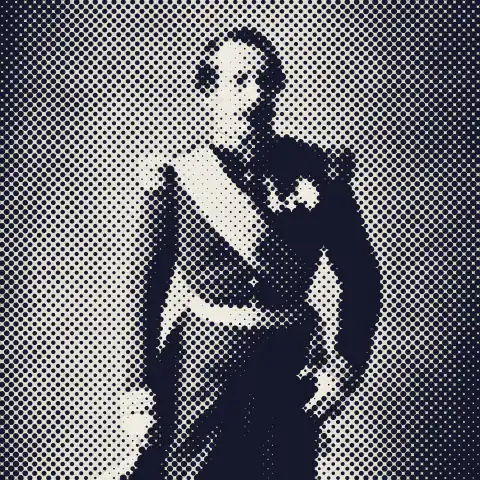
Louis-Napoléon Bonaparte grew up in exile after the fall of his uncle Napoleon I and twice tried to seize power in failed coups, in 1836 and 1840. While imprisoned at Ham he wrote The Extinction of Pauperism. After the 1848 revolution he was elected the first president of the Second Republic by universal male suffrage. Barred from a second term, he dissolved the Assembly in a coup on 2 December 1851 and was proclaimed emperor a year later, both steps approved by plebiscite. His reign saw rapid economic growth, the rebuilding of Paris by Baron Haussmann and wars in Crimea, Italy and Mexico. He was captured at Sedan in 1870 and died in exile in England.
Political views
Argued in The Extinction of Pauperism that the state should tackle poverty, proposing cheap credit for workers and agricultural colonies.
Source: en.wikipedia.orgDissolved the National Assembly in December 1851, restored universal male suffrage and sought approval for the coup by plebiscite.
Source: en.wikipedia.orgLowered tariffs and opened French markets through the 1860 commercial treaty with Britain.
Source: en.wikipedia.orgGave workers the right to strike in 1864, a right forbidden since 1810.
Source: en.wikipedia.orgSupported a "principle of nationalities", backing new nation states such as Italy in place of multinational empires.
Source: en.wikipedia.orgSent troops to Mexico in 1862 to install the Austrian archduke Maximilian as emperor, a venture that ended in failure in 1867.
Source: en.wikipedia.orgTurned toward a more liberal, parliamentary empire in the 1860s, approved by a plebiscite in May 1870.
Source: elysee.fr
Legacy
For a long time Napoleon III was remembered through the hostile verdicts of Victor Hugo, who called him Napoleon the Little, and Karl Marx, who saw his rule as a farce repeating his uncle's. Historians now give more weight to the economic modernization of his reign, the railways, banks and new Paris he left behind, and his support for Italian unification. His regime was nonetheless born in violence: around 200 or more people were killed in Paris when troops crushed resistance to the coup on 4 December 1851, about 26,000 were arrested across France and more than 9,500 were deported to Algeria. Critics also point to the press censorship, the Mexican adventure and the defeat of 1870 that cost France Alsace and Lorraine.