 France
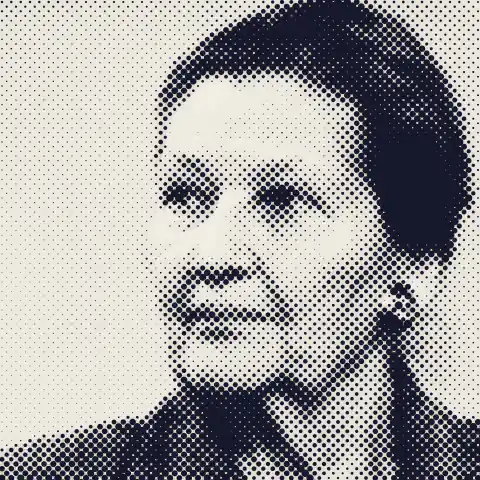
Who was Simone Veil?
Simone Veil, born Simone Jacob in Nice, was deported in 1944 with her mother and sister to Auschwitz-Birkenau and later Bergen-Belsen, where her mother died. After the war she studied law, became a magistrate in 1956 and worked to improve conditions for women prisoners and on family law. Appointed health minister by Valéry Giscard d'Estaing in 1974, she steered through laws on contraception and abortion. In 1979 she led her party's list in the first direct European elections and was chosen as the Parliament's president. She later served as a minister under Édouard Balladur and on the Constitutional Council, and was elected to the Académie française in 2008.
Political views
Steered the 1975 law legalizing abortion, known as the loi Veil, through the National Assembly with opposition votes.
Source: european-union.europa.euExpanded access to contraception through a law adopted in December 1974.
Source: en.wikipedia.orgStrongly believed in a unified Europe and argued that it should be more than an economic union.
Source: theguardian.comBecame the first woman to head an EU institution as President of the European Parliament in 1979.
Source: european-union.europa.euOpposed extending the state's powers to control immigration while a minister in 1993-1995.
Source: theguardian.comIntroduced support for mothers of young children, people with disabilities and HIV-positive patients.
Source: en.wikipedia.orgTook leave from the Constitutional Council in 2005 to campaign for the proposed EU constitution.
Source: en.wikipedia.org
Legacy
Veil is widely honored in France as a symbol of women's rights, Holocaust remembrance and European reconciliation; she received the Charlemagne Prize in 1981, presided over the Foundation for the Memory of the Shoah and was reburied in the Panthéon in 2018. During the 1974 abortion debate she faced exceptional hostility, including personal attacks on her and her family, and opponents of abortion continue to criticize the law that bears her name. Some critics argued that her 2005 campaign for the EU constitution compromised the impartiality of the Constitutional Council, a charge she rejected. Colleagues also described her as impatient and exacting in office.