PoliticalTests
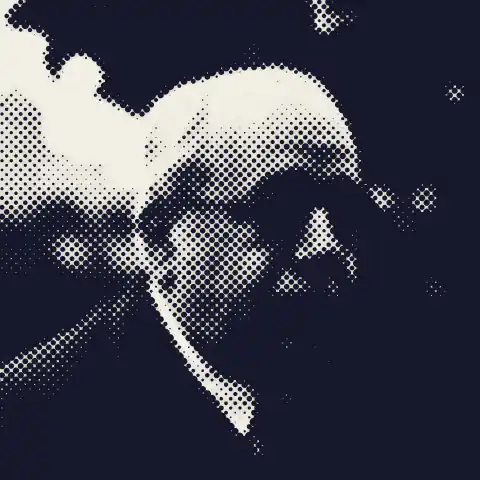
Portrait of Manuel Azaña
1880-1940Spain

Portrait: Agence de presse Meurisse, Public domain, via Wikimedia Commons

Manuel Azaña

Prime Minister of Spain (1931-1933, 1936) · President of the Second Spanish Republic (1936-1939) · Minister of War (1931-1933) · Founder of Republican Left (Izquierda Republicana) · Writer

Spanish liberal republican, writer and leading figure of the Second Republic, who as prime minister pushed military, agrarian, secular and regional reforms and was president during the Civil War.

ECONOMYSTATE AND LIBERTYSOCIETYWORLDOwnershipMarketsWelfareAuthoritySecurityStructureMoralityReligionTechnologyCultureTradeForeign
  • Position
  • Solid, past the ring: second pole
  • Short, inside the ring: first pole
  • Balanced

★ Manuel Azaña on 12 axes

Share of each pole

Economy

Equality / Markets
  • OwnershipMild: Public
    PublicPrivate
  • MarketsMild: Planned
    PlannedFree
  • WelfareMild: Shared
    SharedSelf-reliant

State and liberty

Liberty / Authority
  • AuthorityModerate: Democratic
    DemocraticStrong leader
  • SecurityBalanced
    LibertyOrder
  • StructureModerate: Local
    LocalCentral

Society

Progress / Tradition
  • MoralityModerate: Progressive
    ProgressiveTraditional
  • ReligionStrong: Secular
    SecularReligious
  • TechnologyNo clear record
    EmbraceCaution
  • CultureMild: Multicultural
    MulticulturalNational identity

World

Global / Nation
  • TradeNo clear record
    GlobalProtected
  • Foreign policyModerate: Cooperation
    CooperationStrength

How we placed it

Judgment calls

Positions summarize typical stances from primary sources and reference works. Where an axis is genuinely contested, the reasoning is below.

Ownership
Backed the 1932 agrarian reform that expropriated large estates for redistribution, but as a liberal republican he rejected socialist collectivization.
Security
A parliamentary democrat whose governments also used emergency powers against opponents and faced criticism over the deadly suppression of an anarchist rising at Casas Viejas in 1933, so scored at the middle.
Religion
Pursued a strictly secular state: ending Church privileges, dissolving the Jesuits and removing religious orders from teaching.
Trade
No documented position on tariffs or trade policy.
Foreign policy
Inferred from the Republic's commitment to the League of Nations and his wartime appeals to Britain and France; no strong doctrine on military power is documented.

2 axes are marked as no clear record: there is no reasonable basis to place Manuel Azaña there, so matching leaves them out.

Who was Manuel Azaña?

Manuel Azaña Díaz, born in Alcalá de Henares in 1880, was a lawyer, essayist and novelist before entering politics as a republican. After the monarchy fell in April 1931 he became minister of war, and in October 1931 prime minister, leading a coalition of republicans and socialists until 1933. He founded Republican Left in 1934, helped build the Popular Front that won the February 1936 election and served briefly as prime minister again before the Cortes chose him as president in May 1936. He held the office through the Civil War, resigned in exile in France in February 1939 and died at Montauban in 1940.

Political views

  • Reformed the army as minister of war, aiming at a modern force with far fewer officers, which upset many senior commanders.

    Source: en.wikipedia.org
  • Pursued a strict separation of Church and state, reducing the Church's role in education and charity in favor of secular state schools.

    Source: en.wikipedia.org
  • Governed under the 1931 Constitution, which created a secular, parliamentary republic with social and economic rights.

    Source: congreso.es
  • Steered the 1932 Agrarian Reform law and the Statute of Autonomy of Catalonia through the Cortes.

    Source: enciclopedia.cat
  • Led governments that expelled the Jesuit order, legalized civil marriage and protected married women's right to work.

    Source: en.wikipedia.org
  • Called for reconciliation among Spaniards in a speech in Barcelona on 18 July 1938, remembered for its closing words "peace, pity, pardon".

    Source: ucm.es

Legacy

Azaña is often called the central figure of the Second Republic. Admirers see him as Spain's leading liberal democrat of the century, an eloquent parliamentarian who tried to modernize the army, separate Church and state, extend education and accept regional autonomy, and whose 1938 appeal for peace and pardon is still quoted across the political spectrum. Critics on the right argue that his anticlerical measures and reported remark that all the convents in Spain were not worth one republican life alienated Catholics and polarized the country, while critics on the left say his agrarian reform was slow and timid. He has been called the father of the Republic, and he was also its last president.

★ Free · 12 Axes Political Test ★

How close are you to Manuel Azaña?

Take the free 12 Axes test to see your match with Manuel Azaña and 347 other historical figures, axis by axis.

OptionalWant every axis explained? The Full Political Profile is an optional $9.99 deep dive. See what is inside

FAQ

Manuel Azaña: questions

What party did Manuel Azaña lead?

He led Republican Action (Acción Republicana) and in 1934 founded Republican Left (Izquierda Republicana), a liberal left republican party that joined the Popular Front in 1936.

Was Manuel Azaña a socialist?

No. He was a liberal, secular republican who governed in coalition with the Socialists but did not share their aim of collective ownership.

What happened to Azaña after the Civil War?

He crossed into France in February 1939, resigned as president after Britain and France recognized Franco, and died in Montauban in November 1940.