 Spain
Who was Juan Negrín?
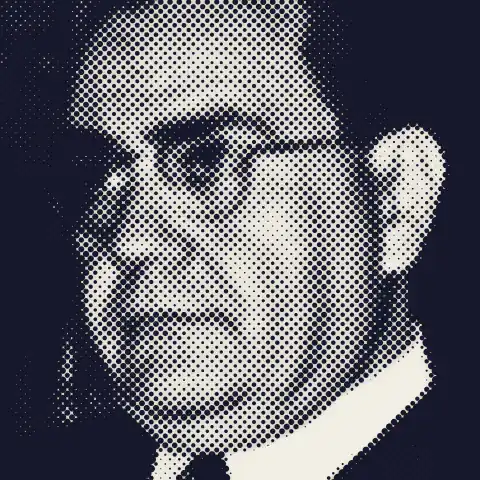
Juan Negrín López was born in Las Palmas de Gran Canaria in 1892, trained in medicine in Germany and became professor of physiology in Madrid, where his students included the future Nobel laureate Severo Ochoa. He joined the PSOE in 1929 and was elected to the Cortes in 1931, aligned with the moderate wing of Indalecio Prieto. Finance minister from September 1936, he became prime minister in May 1937 after the fall of Largo Caballero and held office until the Republic's defeat in March 1939, then led a government in exile. The PSOE expelled him in 1946, and he died in Paris in 1956.
Political views
As finance minister oversaw the transfer of most of the Bank of Spain's gold reserves to Moscow in 1936 to pay for arms, a decision historians still debate.
Source: enciclopedia.catIssued the Thirteen Points of April 1938, setting out war aims that included national independence, a democratic republic, regional liberties, freedom of conscience, respect for legitimate property and a broad amnesty.
Source: es.wikipedia.orgPursued a policy of resistance at all costs, summed up as 'to resist is to win', in the hope that a wider European war would bring the democracies to the Republic's side.
Source: es.wikipedia.orgBrought two communist ministers into his government to secure Soviet aid while keeping his distance from the Communist Party, and in April 1938 added ministers from the CNT and UGT unions.
Source: enciclopedia.catIn exile organized aid for Republican refugees through the Servicio de Emigración para Republicanos Españoles, and resigned as head of the government in exile in 1945.
Source: enciclopedia.catWas overthrown in Madrid in March 1939 by Colonel Segismundo Casado's National Defence Council, backed by Julián Besteiro, which sought to free the Republic from dependence on the Soviet Union and negotiate peace with Franco.
Source: enciclopedia.cat
Legacy
Negrín is one of the most contested figures of the Civil War. For decades both Francoists and many fellow socialists portrayed him as a tool of Stalin, citing the gold sent to Moscow and the growing power of the communists under his government, and the PSOE expelled him in 1946. Later research, notably by historians such as Ángel Viñas, has presented him as a patriotic statesman who had little choice but Soviet aid while Britain and France upheld non-intervention, and whose resistance strategy might have succeeded had the war lasted until the wider European conflict. The PSOE posthumously readmitted him in 2008 along with other expelled members, and his granddaughter received his party card in 2009.