
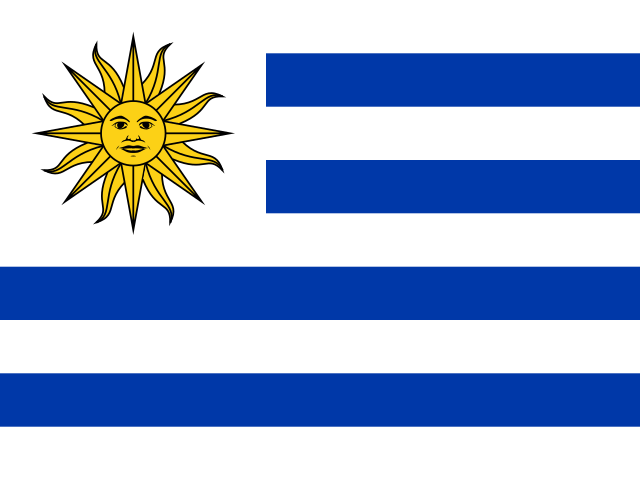
 Uruguay
Who was José Mujica?
José Alberto Mujica Cordano was born in Montevideo in 1935 and grew up poor, helping his mother sell flowers. In the 1960s he joined the Tupamaros urban guerrilla movement. He was shot six times during his 1970 arrest, escaped prison twice, and after the 1973 coup was held for about twelve years as a military hostage, much of it in isolation. Freed under the 1985 amnesty, he co-founded the Movement of Popular Participation within the Broad Front. He became a deputy, senator and agriculture minister before serving as president from 2010 to 2015. He died at his farm on 13 May 2025.
Political views
Signed a 2013 law under which the state took over cannabis cultivation and sale, arguing it would weaken drug-trafficking gangs.
Source: bostonglobe.comBacked a 2012 law decriminalizing abortion in the first trimester and signed marriage equality into law in 2013.
Source: bostonglobe.comArgued that capitalism had to work in order to fund solutions to social problems, while his government saw poverty fall and foreign investment rise.
Source: bostonglobe.comCriticized consumerism and unchecked industrial growth, telling the 2012 Rio+20 summit that leaders preached environmentalism while ignoring its causes.
Source: bostonglobe.comDonated most of his presidential salary to a state housing program and lived on his farm instead of the presidential residence.
Source: foreignpolicy.comPursued regional neutrality, mediated in Colombia's peace process and accepted six former Guantanamo detainees in 2014.
Source: foreignpolicy.comTold the 2013 UN General Assembly that instead of humanity controlling globalization, globalization was controlling it.
Source: foreignpolicy.com
Legacy
Mujica became an international symbol of the democratic left, nicknamed the world's poorest president, and Lula compared him to Nelson Mandela. Admirers credit his government with steady growth, falling poverty, expanded renewable energy and some of the most socially liberal laws in Latin America, achieved without corruption or term extensions. Critics, including former president Julio María Sanguinetti, argued that his style outweighed his substance and that he weakened institutions. His economy minister and the head of a state bank resigned over the 2013 Pluna airline liquidation and were later convicted for illegal decisions. He was also criticized for his ambivalent stance on Venezuela's Nicolás Maduro, and the Tupamaros' kidnappings, bombings and killings of security forces in the 1960s and 1970s remain contested in Uruguay.