 Spain
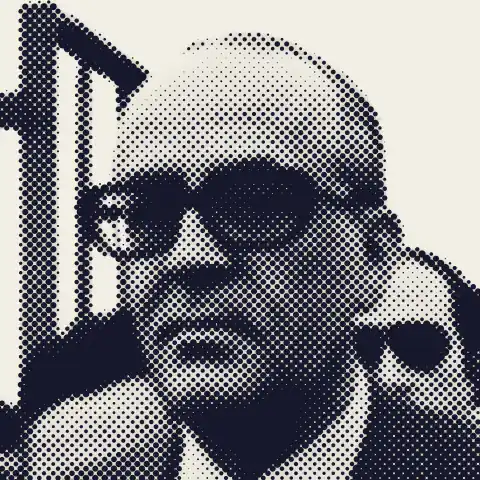
Who was Leopoldo Calvo-Sotelo?
Leopoldo Calvo-Sotelo y Bustelo was a Madrid-born civil engineer and business executive who helped draft development plans under Franco and served as commerce minister in 1975 and 1976. He helped found the Union of the Democratic Centre (UCD), ran its 1977 campaign, negotiated with the European Communities and became economy deputy prime minister. After Adolfo Suárez resigned, Parliament was voting on his investiture on 23 February 1981 when Guardia Civil officers led by Antonio Tejero stormed the chamber. Confirmed days later, he governed until December 1982. Facing a divided party and a deep economic crisis, he called an early election, which the Socialists won by a landslide while the UCD nearly disappeared.
Political views
Promised to cut inflation and the public deficit through tighter monetary policy and spending restraint, while relying on private investment to create jobs.
Source: lamoncloa.gob.esCommitted as prime minister-designate to NATO membership, which Parliament approved in October 1981; Spain acceded in May 1982.
Source: nato.intSaw entry into the European Communities as a historic national goal and pursued accession negotiations.
Source: lamoncloa.gob.esPassed, with Socialist support, the LOAPA law intended to harmonize the process of transferring powers to the regions.
Source: lamoncloa.gob.esHis government enacted the 1981 law that reformed marriage in the Civil Code and allowed divorce.
Source: boe.esSupported nuclear power and an industrial restructuring plan to reduce dependence on imported energy.
Source: lamoncloa.gob.es
Legacy
Calvo-Sotelo is remembered as a transitional prime minister who held the democratic system together in the months after the 1981 coup attempt. Supporters praise his steadiness, his economic realism and his firm Western alignment, and credit him with anchoring Spain in NATO and the European project. Critics on the left opposed NATO entry without a referendum, a promise the Socialists later made, and regional nationalists objected to the LOAPA, large parts of which the Constitutional Court struck down in 1983. Within his own party, the divorce law and personal rivalries accelerated the collapse of the UCD. He returned to Parliament and briefly served in the European Parliament after Spain joined the Communities in 1986.
In their words
We are going to avoid great promises in exchange for small sacrifices.