PoliticalTests
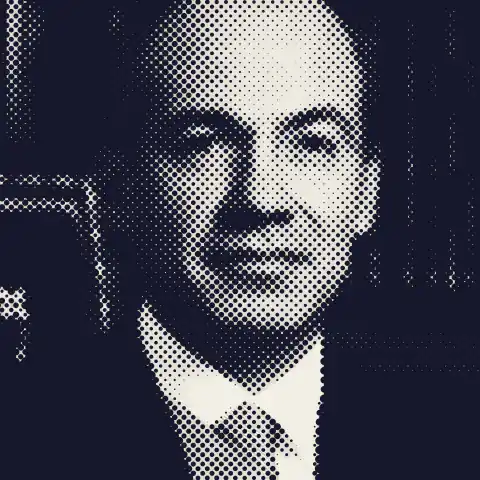
Portrait of Felipe Calderón
Born 1962Mexico

Portrait: Unknown author, CC BY-SA 4.0, via Wikimedia Commons. Halftone version: CC BY-SA 4.0

Felipe Calderón

President of Mexico (2006-2012) · Secretary of Energy (2003-2004) · President of the National Action Party (1996-1999) · Federal deputy · Lawyer

PAN president of Mexico who won the closest election in the country's history in 2006 and sent the army against drug cartels, a war in which tens of thousands died during his term.

ECONOMYSTATE AND LIBERTYSOCIETYWORLDOwnershipMarketsWelfareAuthoritySecurityStructureMoralityReligionTechnologyCultureTradeForeign
  • Position
  • Solid, past the ring: second pole
  • Short, inside the ring: first pole
  • Balanced

★ Felipe Calderón on 12 axes

Share of each pole

Economy

Equality / Markets
  • OwnershipModerate: Private
    PublicPrivate
  • MarketsModerate: Free
    PlannedFree
  • WelfareBalanced
    SharedSelf-reliant

State and liberty

Liberty / Authority
  • AuthorityMild: Strong leader
    DemocraticStrong leader
  • SecurityStrong: Order
    LibertyOrder
  • StructureMild: Central
    LocalCentral

Society

Progress / Tradition
  • MoralityModerate: Traditional
    ProgressiveTraditional
  • ReligionMild: Religious
    SecularReligious
  • TechnologyNo clear record
    EmbraceCaution
  • CultureNo clear record
    MulticulturalNational identity

World

Global / Nation
  • TradeModerate: Global
    GlobalProtected
  • Foreign policyMild: Cooperation
    CooperationStrength

How we placed it

Judgment calls

Positions summarize typical stances from primary sources and reference works. Where an axis is genuinely contested, the reasoning is below.

Welfare
A pro-market PAN president whose government extended Seguro Popular to near-universal health coverage and used a counter-cyclical stimulus in 2009, so the score sits at the middle.
Authority
Governed within competitive multiparty democracy after a narrowly won and contested 2006 election; reports that his government used Pegasus spyware against opponents and journalists pull the score slightly above the middle.
Security
Scored mainly on his decision to deploy the army and federal police against drug cartels from December 2006, the defining policy of his term.
Morality
Described himself as pro-life, while his government accepted abortion in limited cases and he supported decriminalizing small amounts of drugs for addicts in treatment.
Foreign policy
Sought closer security cooperation and aid from the United States through the Mérida Initiative rather than unilateral strength.

2 axes are marked as no clear record: there is no reasonable basis to place Felipe Calderón there, so matching leaves them out.

Who is Felipe Calderón?

Felipe de Jesús Calderón Hinojosa was born in Morelia, Michoacán, studied law at the Escuela Libre de Derecho, economics at ITAM and public administration at Harvard's Kennedy School. He led the National Action Party from 1996 to 1999, headed the PAN group in the Chamber of Deputies and served Vicente Fox as head of the Banobras development bank and secretary of energy. In 2006 he defeated Andrés Manuel López Obrador by 0.56 percent after a partial recount, and López Obrador refused to accept the result. Calderón governed from 2006 to 2012. He left the PAN in 2018.

Political views

  • Sent the army and federal police against drug cartels from December 2006, starting in his home state of Michoacán.

    Source: en.wikipedia.org
  • Sought United States military and logistical support for the fight against drug trafficking through the Mérida Initiative of 2008.

    Source: cidob.org
  • Answered the 2009 recession, when the economy shrank by more than 6 percent, with a counter-cyclical fiscal package that raised public debt.

    Source: cidob.org
  • Extended Seguro Popular, the public health insurance begun under Fox, toward universal coverage by 2012.

    Source: en.wikipedia.org
  • Founded the Pacific Alliance trade bloc with Chile, Colombia and Peru in 2011.

    Source: cidob.org
  • Described himself as pro-life, while supporting legal abortion in cases of rape or danger to the mother's life.

    Source: en.wikipedia.org

Legacy

Supporters argue that Calderón confronted cartels that had captured parts of the state, kept the economy stable through the global recession and expanded health coverage. Critics hold that the militarized strategy multiplied violence: estimates of deaths linked to the drug war during his term range from about 60,000 to 120,000, and cases such as the army's killing of two Monterrey Tech students in 2010 drew criticism of military abuses. In February 2023 a US federal jury in Brooklyn convicted his public security secretary, Genaro García Luna, of taking bribes from the Sinaloa Cartel, and in 2024 García Luna was sentenced to 38 years in prison. Calderón has denied that his government knew of those ties. López Obrador's supporters never accepted the 2006 result, which shaped Mexican politics for the next decade.

★ Free · 12 Axes Political Test ★

How close are you to Felipe Calderón?

Take the free 12 Axes test to see your match with Felipe Calderón and 347 other historical figures, axis by axis.

OptionalWant every axis explained? The Full Political Profile is an optional $9.99 deep dive. See what is inside

FAQ

Felipe Calderón: questions

What is Felipe Calderón known for?

He is best known for deploying the army against drug cartels from December 2006. Deaths linked to the drug war rose sharply during his term, and the strategy remains one of the most debated policies in recent Mexican history.

What party was Felipe Calderón?

He belonged to the National Action Party (PAN), which he led from 1996 to 1999. He left the party in 2018.

Who was Genaro García Luna?

He was Calderón's secretary of public security from 2006 to 2012. A US federal jury convicted him in 2023 of taking bribes from the Sinaloa Cartel.

Sources

  1. 01cidob.org
  2. 02en.wikipedia.org
  3. 03en.wikipedia.org

Image credits

Portrait of Felipe Calderón: Presidente Felipe Calderon (cropped).jpg by Unknown author, licensed CC BY-SA 4.0, via Wikimedia Commons. Cropped, converted to grayscale and printed as a halftone by politicaltests.org; the halftone version is licensed CC BY-SA 4.0.

All portrait credits and licenses