PoliticalTests
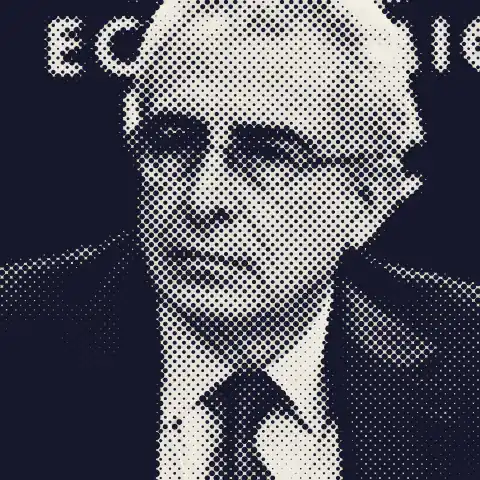
Portrait of Ernesto Zedillo
Born 1951Mexico

Portrait: World Economic Forum, CC BY-SA 2.0, via Wikimedia Commons. Halftone version: CC BY-SA 2.0

Ernesto Zedillo

President of Mexico (1994-2000) · Secretary of Education (1992-1993) · Secretary of Programming and Budget (1988-1992) · Director of the Yale Center for the Study of Globalization · Economist

Yale-trained economist and PRI president who managed the 1994-1995 peso crisis, backed reforms that made elections independent and in 2000 handed power to the opposition for the first time in 71 years.

ECONOMYSTATE AND LIBERTYSOCIETYWORLDOwnershipMarketsWelfareAuthoritySecurityStructureMoralityReligionTechnologyCultureTradeForeign
  • Position
  • Solid, past the ring: second pole
  • Short, inside the ring: first pole
  • Balanced

★ Ernesto Zedillo on 12 axes

Share of each pole

Economy

Equality / Markets
  • OwnershipModerate: Private
    PublicPrivate
  • MarketsModerate: Free
    PlannedFree
  • WelfareMild: Self-reliant
    SharedSelf-reliant

State and liberty

Liberty / Authority
  • AuthorityMild: Democratic
    DemocraticStrong leader
  • SecurityMild: Order
    LibertyOrder
  • StructureMild: Central
    LocalCentral

Society

Progress / Tradition
  • MoralityNo clear record
    ProgressiveTraditional
  • ReligionNo clear record
    SecularReligious
  • TechnologyNo clear record
    EmbraceCaution
  • CultureNo clear record
    MulticulturalNational identity

World

Global / Nation
  • TradeStrong: Global
    GlobalProtected
  • Foreign policyModerate: Cooperation
    CooperationStrength

How we placed it

Judgment calls

Positions summarize typical stances from primary sources and reference works. Where an axis is genuinely contested, the reasoning is below.

Welfare
Fiscal austerity and the bank rescue after the 1994 crisis weigh toward the self-reliant side, so the score sits slightly right of center.
Authority
Backed the 1996 electoral reform that made the electoral institute independent, accepted the PRI's loss of its majority in 1997 and handed power to the opposition in 2000, though he came to office as the PRI candidate in the dominant-party system.
Security
He ordered a brief army offensive against the Zapatistas in February 1995 and the 1997 Acteal massacre by paramilitaries occurred under his government, but he also pushed out a governor implicated in the Aguas Blancas killings; scored slightly toward order.
Religion
No documented position on religion in public life; left null.

4 axes are marked as no clear record: there is no reasonable basis to place Ernesto Zedillo there, so matching leaves them out.

Who is Ernesto Zedillo?

Ernesto Zedillo Ponce de León was born in Mexico City, grew up in Mexicali and earned a doctorate in economics at Yale. He worked at the central bank and the budget ministry, then served under Carlos Salinas as secretary of programming and budget and secretary of education. He ran Luis Donaldo Colosio's campaign and replaced him as PRI candidate after Colosio's assassination in March 1994, winning the August election with 50.2 percent. He governed from December 1994 to December 2000. In 2002 he became director of Yale's Center for the Study of Globalization.

Political views

  • Devalued and then floated the peso in December 1994 and accepted an international rescue of about 51 billion dollars led by the US Treasury and the IMF.

    Source: cidob.org
  • Rescued the banking system through Fobaproa, which turned the state's guarantees to depositors into public debt.

    Source: cidob.org
  • Backed the 1996 constitutional reform, approved unanimously, to make elections transparent and the Federal Electoral Institute impartial.

    Source: cidob.org
  • Called an open primary for the PRI's 1999 presidential nomination instead of choosing the successor himself, and handed power to Vicente Fox in 2000.

    Source: cidob.org
  • Signed a free trade agreement with the European Union in March 2000 alongside the existing NAFTA.

    Source: cidob.org
  • Ordered an army operation to capture the Zapatista leadership in February 1995, halted it days later and resumed talks that produced the San Andrés Accords.

    Source: cidob.org

Legacy

Supporters see Zedillo as the president who stabilized the economy after the 1994 crash and opened the way for Mexico's democratic transition by giving up control over elections and accepting defeat in 2000. Critics point to the cost of the bank rescue, which was charged to taxpayers, to the fall in living standards after the crisis, and to the San Andrés Accords on Indigenous rights being left unimplemented. The Acteal massacre of 45 Tzotzil Indigenous people by paramilitaries linked to the local PRI in December 1997 drew strong criticism of his government. Salinas and Zedillo publicly blamed each other for the December 1994 devaluation.

In their words

Nobody will now be able to call the PRI a party of the state.
Remarks after the July 1997 midterm elections, translated from Spanish

★ Free · 12 Axes Political Test ★

How close are you to Ernesto Zedillo?

Take the free 12 Axes test to see your match with Ernesto Zedillo and 347 other historical figures, axis by axis.

OptionalWant every axis explained? The Full Political Profile is an optional $9.99 deep dive. See what is inside

FAQ

Ernesto Zedillo: questions

What is Ernesto Zedillo known for?

He managed the 1994-1995 peso crisis, supported the 1996 reform that made the electoral institute independent, and in 2000 handed power to Vicente Fox, ending 71 years of PRI rule.

What party was Ernesto Zedillo?

He was the candidate of the Institutional Revolutionary Party (PRI), elected in 1994 after the assassination of the original candidate, Luis Donaldo Colosio.

Sources

  1. 01cidob.org
  2. 02cidob.org
  3. 03cidob.org

Image credits

Portrait of Ernesto Zedillo: Ernesto Zedillo Ponce de Leon World Economic Forum 2013 crop.jpg by World Economic Forum, licensed CC BY-SA 2.0, via Wikimedia Commons. Cropped, converted to grayscale and printed as a halftone by politicaltests.org; the halftone version is licensed CC BY-SA 2.0.

All portrait credits and licenses