 India
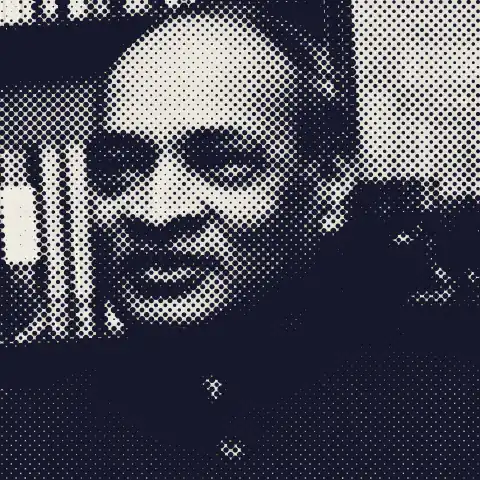
Who was P. V. Narasimha Rao?
Pamulaparthi Venkata Narasimha Rao was born in 1921 in Hyderabad State and became a lawyer, scholar and Congress politician in Andhra Pradesh, where he was chief minister from 1971 to 1973. Under Indira and Rajiv Gandhi he held the foreign, home, defence and education ministries. After Rajiv Gandhi's assassination in 1991 he became prime minister at the head of a minority government, the first from South India. He served a full term until 1996, the first leader outside the Nehru-Gandhi family to do so. He died in 2004 and was awarded the Bharat Ratna in 2024.
Political views
As chief minister of Andhra Pradesh, enforced land reform and land ceiling laws strictly and secured political reservations for lower castes.
Source: en.wikipedia.orgAppointed Manmohan Singh as finance minister in 1991 and launched free-market reforms when India was close to default.
Source: aljazeera.comCut average tariffs from about 85 to 25 percent, ended industrial licensing for all but 18 industries and raised the foreign ownership limit in joint ventures to 51 percent.
Source: en.wikipedia.orgOvercame objections to the reforms inside his own party as well as from the BJP and the Left, in what Congress leader Jairam Ramesh called a feat of political management.
Source: freepressjournal.inLaunched the Look East policy toward Southeast Asia and established open diplomatic relations with Israel in 1992.
Source: en.wikipedia.orgAfter a mob destroyed the Babri Masjid in December 1992, appealed for calm and had his cabinet dismiss the BJP government of Uttar Pradesh.
Source: news.bbc.co.uk
Legacy
Admirers, including the Congress leader Jairam Ramesh, see Rao as the political architect of the 1991 reforms that opened India's economy, and credit him with a lasting foreign policy turn toward Israel and Southeast Asia. His critics focus on the Babri Masjid demolition, after which more than 2,000 people died in rioting across India; many in his own party believed he let it happen, while Ramesh argued he overestimated his ability to deal with the RSS. He was also convicted in 2000 of bribing MPs to defeat a no-confidence vote, before the Delhi High Court acquitted him in 2002. His relations with the Gandhi family were strained, and for years the Congress gave him little credit.
In their words
What happened today is a matter of great concern and shame for all Indians.