 India
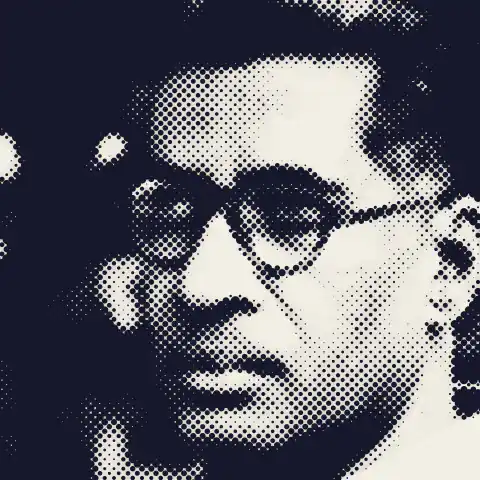
Who was M. N. Roy?
Narendra Nath Bhattacharya was born near Calcutta in 1887 and joined the armed revolutionary groups of Bengal as a youth. In 1915 he left India to seek German arms for an uprising, a plan that failed, and in California he took the name Manabendra Nath Roy. In Mexico he founded a socialist party that became the Mexican Communist Party, and in 1920 he met Lenin in Moscow and founded the Communist Party of India in Tashkent. He rose to the Comintern's leading bodies and led its mission to China in 1927, but was expelled in 1929. Back in India he served six years in prison, then founded the Radical Democratic Party in 1940. He died in 1954.
Political views
Argued at the 1921 Comintern congress that European capitalism, above all British, drew its strength from exploiting colonial markets and peoples, making colonial revolution central to world revolution.
Source: marxists.orgDiffered with Lenin over the role of the colonial middle classes in national movements, and his supplementary theses were adopted by the Communist International in 1920.
Source: iep.utm.eduUrged Indian communists in 1936 to join the Indian National Congress, defying the Comintern line, and called for power to pass to a constituent assembly.
Source: en.wikipedia.orgBacked Britain and France against fascism in the Second World War, arguing that an Axis victory would end democracy worldwide and India's hopes of freedom, and left the Congress over the issue.
Source: en.wikipedia.orgRejected the dictatorship of the proletariat and proposed a radical democracy in which a network of people's committees would give citizens standing control over the state.
Source: iep.utm.eduHeld that the economic liberation of the masses was an essential condition of freedom and that a rising standard of living was the foundation of a radical democratic state.
Source: iep.utm.eduRejected belief in god, the soul and the doctrine of karma, and argued for a scientific outlook and a secular morality.
Source: iep.utm.edu
Legacy
Roy is remembered as one of the few Asians to shape early Comintern policy, and Nehru welcomed him in 1936 as a well-tried soldier in India's fight for freedom. His Radical Humanism drew a circle of Indian intellectuals, including V. M. Tarkunde and Philip Spratt, and in 1948 he dissolved his own party in favour of a non-party Radical Humanist Movement. Marxists and communists criticised him for abandoning Marxism and attacking the dictatorship of the proletariat, while Gandhians and many nationalists opposed his support for the British war effort when the Congress launched the Quit India movement. Admirers see him as an independent thinker who moved from revolution to a humanist defence of individual freedom.