
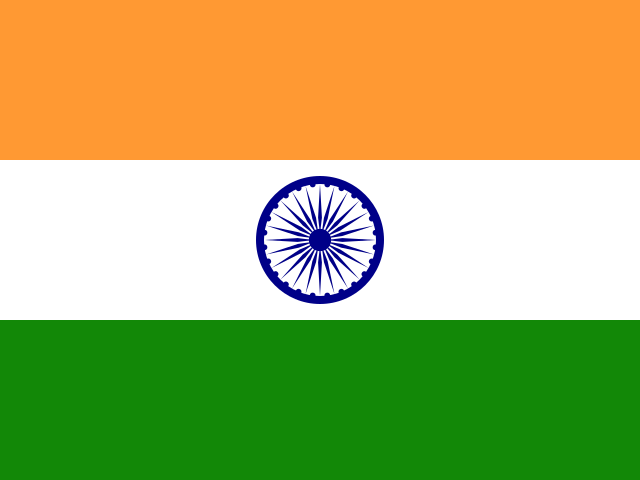
 India
Who was B. R. Ambedkar?
Bhimrao Ramji Ambedkar was born in 1891 into the Mahar community, then treated as untouchable. He was among the first Dalits to attend Elphinstone College in Bombay and earned doctorates from Columbia University and the London School of Economics. From the 1920s he led campaigns against untouchability and founded political parties for labourers and the Scheduled Castes. After independence he became India's first law minister and chaired the committee that drafted the constitution. He resigned in 1951 after the Hindu Code Bill was blocked, converted to Buddhism in 1956 and died that December.
Political views
Argued for broad economic and social rights for women, the abolition of untouchability and the reservation of jobs and school places for lower castes.
Source: bbc.comUrged Indians to hold fast to constitutional methods and abandon civil disobedience, non-cooperation and satyagraha, which he called the grammar of anarchy.
Source: outlookindia.comWarned that hero-worship in politics was a sure road to degradation and eventual dictatorship.
Source: outlookindia.comHeld that political democracy would not last without social democracy built on liberty, equality and fraternity, and called castes anti-national.
Source: outlookindia.comProposed a theory of state socialism with state ownership of agricultural land and a just distribution of resources, and favoured industrialisation.
Source: en.wikipedia.orgWrote in Annihilation of Caste that a casteless society required denying the authority of the Hindu scriptures.
Source: en.wikipedia.orgRejected Hinduism as a religion that isolated the lower castes and in 1956 launched the Dalit Buddhist movement, adopted by nearly half a million people.
Source: bbc.com
Legacy
Ambedkar is revered in India as the father of the constitution and the foremost champion of the Dalits, and the BBC describes him as India's most revered leader after Gandhi. The reservations and anti-discrimination guarantees he championed remain central to Indian law, though untouchability and caste discrimination persist despite being outlawed in 1950. His sharpest clash was with Gandhi, who fasted in protest against separate electorates for the depressed classes and forced the 1932 Poona Pact compromise of reserved seats instead. Orthodox Hindu leaders resented his attacks on scripture, and Ambedkar himself later voiced frustration with how the constitution was being worked.
In their words
Political democracy cannot last unless there lies at the base of it social democracy.