
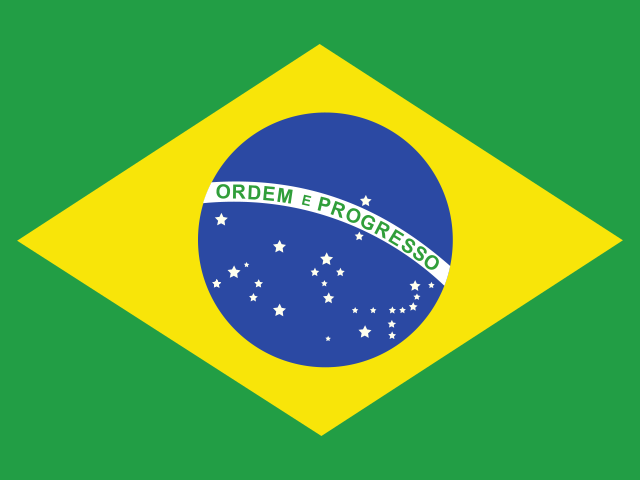
 Brazil
Who is Dilma Rousseff?
Dilma Vana Rousseff was born in Belo Horizonte in 1947 to a Bulgarian immigrant father. As a student she joined armed groups opposing the military regime and was arrested in São Paulo in 1970, tortured and imprisoned until late 1972. She later built a career in Rio Grande do Sul as an economist and energy official, joined the Workers' Party (PT) in 2001 and served Lula as minister of mines and energy and then chief of staff. Elected president in 2010 and reelected in 2014, she was removed by the Senate in August 2016 for budget violations. Since March 2023 she has presided over the New Development Bank, the multilateral lender created by the BRICS countries, and in March 2025 she was elected to a second five-year term. She holds no Brazilian elected office.
Political views
Created the National Truth Commission in 2011 to investigate human rights violations committed between 1946 and 1988.
Source: planalto.gov.brSanctioned the 2012 law reserving half of the places in federal universities for public school students, with quotas for Black, mixed-race and Indigenous applicants.
Source: planalto.gov.brLaunched the Mais Médicos program in 2013, bringing Brazilian and foreign doctors to underserved areas.
Source: planalto.gov.brSanctioned the 2014 Internet Civil Framework, which set out net neutrality, privacy and free expression rights online.
Source: planalto.gov.brIssued a 2012 provisional measure renewing electricity concessions on condition of lower tariffs, part of a state-led push to cut energy costs.
Source: planalto.gov.brWas removed from office in 2016 after the Federal Accounts Court found that her government used accounting maneuvers known as 'pedaladas fiscais' and unauthorized budget decrees.
Source: www18.fgv.br
Legacy
Supporters see Rousseff as a symbol of resistance to the dictatorship and credit her governments with expanding social programs, university quotas, health coverage and the investigation of past state crimes. They describe her impeachment as a parliamentary coup, noting that the charges concerned budget rules rather than personal enrichment and that the Senate let her keep her political rights. Critics blame her interventionist economic policies, including price controls on fuel and electricity and subsidized credit, for the 2014-2016 recession, one of the deepest in Brazil's history, and fault her for the Petrobras corruption scheme that operated while she chaired the company's board and later served as president. The Senate voted 61 to 20 to remove her on 31 August 2016. She lost a Senate race in Minas Gerais in 2018.