 Italy
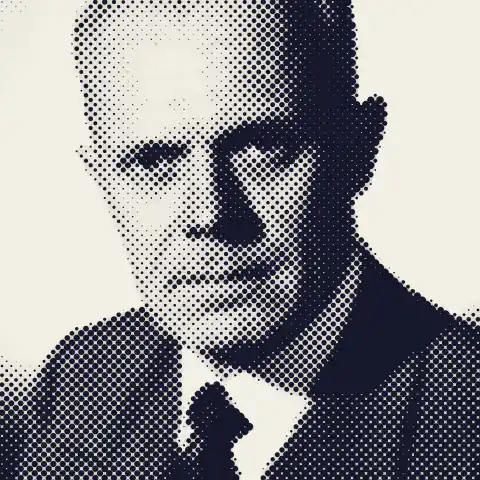
Who was Sandro Pertini?
Sandro Pertini was born in Stella in Liguria, served as an officer in the First World War and joined the reformist socialists. After the murder of Giacomo Matteotti he became a determined opponent of Fascism, helped the socialist leader Filippo Turati escape to France and spent many years in prison, internment and exile without asking for a pardon. In the Resistance he was sentenced to death by the Germans, freed by partisans and helped lead the insurrection in the north in April 1945. He sat in the Constituent Assembly and parliament for the Socialist Party and presided over the Chamber of Deputies from 1968. Elected president in July 1978, two months after the murder of Aldo Moro, he served until 1985.
Political views
Refused to seek a pardon from the Fascist regime despite severe illness in prison and internment.
Source: en.wikipedia.orgOpened his presidency by calling for the arsenals of war to be emptied and the granaries filled for people facing hunger.
Source: treccani.itNamed peace, liberty and social justice as the guiding ideas of his term, taking the 1948 Constitution as his reference.
Source: treccani.itCriticized colonialism and corruption in the state and in his own party, keeping an independent line within the Socialists.
Source: en.wikipedia.orgPublicly condemned Red Brigades terrorism, organized crime, apartheid, Pinochet's dictatorship and the Soviet invasion of Afghanistan.
Source: en.wikipedia.orgAppointed Giovanni Spadolini in 1981, the first prime minister since the war who did not come from Christian Democracy.
Source: en.wikipedia.org
Legacy
Pertini is widely remembered as Italy's most loved president: a plain-spoken former partisan who restored some trust in institutions during the years of terrorism, attacked the slow relief effort after the 1980 Irpinia earthquake on television and celebrated Italy's 1982 World Cup victory in the stands in Madrid. Admirers see him as the embodiment of the anti-fascist values of the Republic. Critics argued that his outspoken, personal style stretched the largely ceremonial role of the presidency and that his public interventions sometimes strayed into party politics.