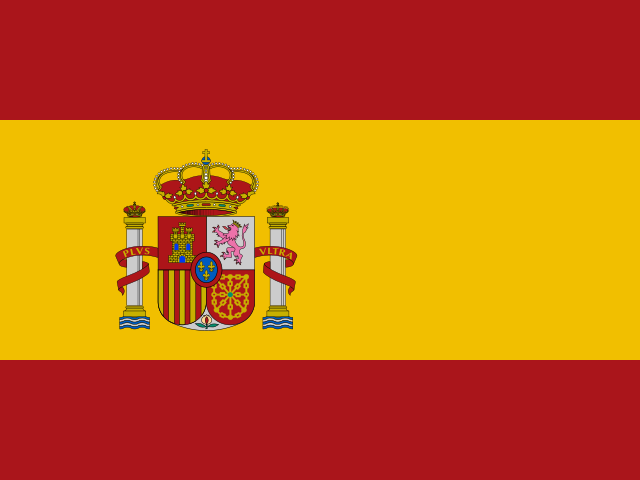
 Spain
Who is Felipe González?
Felipe González Márquez, a labor lawyer from Seville, joined the clandestine PSOE in 1964 and was elected its secretary general at the Suresnes congress in exile in 1974, displacing the old leadership. In 1979 he resigned when party delegates refused to drop Marxism from its program, and returned months later after an extraordinary congress accepted his line. The PSOE won an absolute majority in 1982, and he governed until 1996, winning again in 1986, 1989 and 1993. He resigned as party leader in 1997 and left Congress in 2004.
Political views
Led the PSOE's formal break with Marxism in 1979 and its shift to democratic socialism and social democracy.
Source: cidob.orgSigned Spain's accession treaty to the European Economic Community in June 1985; Spain joined on 1 January 1986.
Source: cidob.orgCalled the March 1986 referendum that kept Spain in NATO, on condition that it stayed outside the integrated military command and barred nuclear weapons from its soil.
Source: nato.intCreated a national health system with universal care funded from general taxation through the 1986 General Health Law.
Source: boe.esDecriminalized abortion in three cases in 1985: risk to the mother, rape and serious fetal malformation.
Source: boe.esCarried out a painful restructuring of steel and shipbuilding in the 1980s, which led to large job losses and a general strike in 1988.
Source: cidob.org
Legacy
Admirers credit González with consolidating Spanish democracy, keeping the army under civilian control, modernizing infrastructure and anchoring Spain in Europe, while expanding public health, education and pensions. Critics on the left point to his reversal on NATO, industrial job losses, unemployment above 20 percent and a 1988 general strike called by the unions, including the socialist UGT. The deepest criticism concerns the GAL, groups that killed 27 people in the fight against ETA between 1983 and 1987 and were financed from Interior Ministry funds; his interior minister was later convicted, while González denied any involvement. Corruption scandals in the 1990s contributed to his narrow defeat in 1996. He remains a prominent, often dissenting voice within Spanish socialism.
In their words
The people have voted for change, and our obligation is to carry it out.