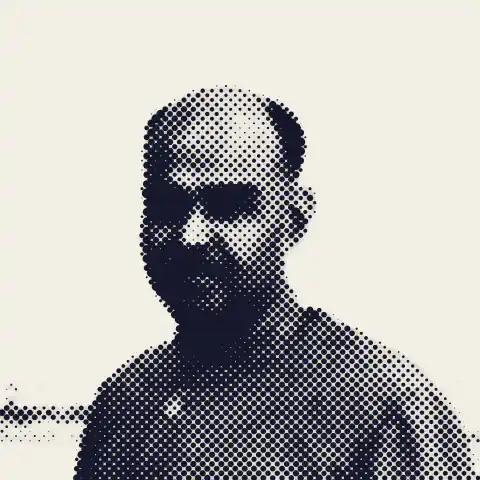
 India
Who was Syama Prasad Mookerjee?
Syama Prasad Mookerjee was born in Calcutta in 1901, the son of the judge and educationist Ashutosh Mukherjee. A barrister, he became the youngest vice-chancellor of the University of Calcutta in 1934. He entered the Bengal legislature in 1929, joined the Hindu Mahasabha in 1939 and served as Bengal's finance minister in 1941 and 1942. Nehru made him Minister for Industry and Supply in 1947, one of two ministers from outside the Congress with B. R. Ambedkar. He resigned in 1950, founded the Bharatiya Jana Sangh in 1951 and died in custody in Srinagar in June 1953.
Political views
Demanded the partition of Bengal in 1946 and 1947 so that its Hindu-majority districts would not become part of East Pakistan, and opposed the plan for a united, independent Bengal.
Source: en.wikipedia.orgResigned from Nehru's cabinet in April 1950 over the Nehru-Liaquat Pact on the protection of minorities, which he believed would not protect Hindus in East Bengal.
Source: indianexpress.comOpposed Article 370 and the special status of Jammu and Kashmir, arguing that one country could not have two constitutions, two prime ministers and two flags.
Source: indiatoday.inEntered Jammu and Kashmir without the required permit in May 1953 to campaign for its full integration, and was arrested by the state police.
Source: indiatoday.inLeft the Hindu Mahasabha in 1948 after it rejected his proposal to admit non-Hindus, and founded the Bharatiya Jana Sangh with the help of the RSS in 1951.
Source: en.wikipedia.orgWrote to the governor of Bengal in 1942 that any wartime movement stirring up internal disturbance must be resisted, setting out how to keep Quit India from taking root, though he resigned months later calling British policy repressive.
Source: en.wikipedia.org
Legacy
The BJP regards Mookerjee as its founding figure, and when Parliament ended the special status of Jammu and Kashmir in 2019, party leaders described it as the fulfilment of his dream. Kolkata's port, a Himalayan tunnel and many institutions now bear his name. His death in custody, officially from a heart attack, was never the subject of an inquiry, and his mother and later BJP leaders called for one. Critics, including historians of the period, describe his politics as communal and point to his wartime stance against the Quit India movement and his role in the partition of Bengal. Admirers present him as a scholar and patriot who stood up for Bengali Hindu refugees and national unity.