 India
Who was C. Rajagopalachari?
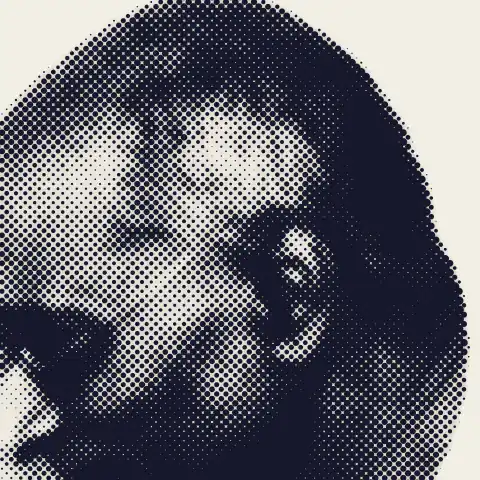
Chakravarti Rajagopalachari, known as Rajaji, was born near Hosur in present-day Tamil Nadu in 1878 and practised law in Salem. One of Mohandas Gandhi's earliest lieutenants, he led the salt march at Vedaranyam in 1930 and served as premier of the Madras Presidency from 1937 to 1939. After independence he was the only Indian governor-general, then Union home minister and chief minister of Madras State. In 1959 he left the Congress and founded the Swatantra Party. He died in 1972.
Political views
Coined the phrase licence-permit raj and opposed socialism, launching the Swatantra Party in 1959 once convinced that Nehru had turned decisively toward statism.
Source: livemint.comArgued that subsidies paid for by deficit financing destroyed the foundation of prosperity, a stable currency, and that social justice required economic freedom.
Source: livemint.comSaid that since the Congress had swung to the left, India needed a strong and articulate right as its opposition.
Source: en.wikipedia.orgOpposed the Quit India movement in 1942 and favoured talks with the Muslim League, proposing the formula for a settlement that bears his initials.
Source: en.wikipedia.orgAs premier of Madras in the late 1930s introduced prohibition and the compulsory study of Hindi, and opened temples to Dalits by law.
Source: en.wikipedia.orgDefended his 1953 school scheme, in which children spent part of the day learning their parents' crafts, against critics who called it a caste-based hereditary education policy.
Source: en.wikipedia.orgBrought the Swatantra Party into the seat-sharing pact of opposition parties led by the DMK that ended Congress rule in Madras in 1967.
Source: web.archive.org
Legacy
Rajaji was one of the first recipients of the Bharat Ratna, and Gandhi called him the keeper of his conscience. Liberals see him as a leader far ahead of his time in his case against the licence raj, while historian Ramachandra Guha has said that, if forced to choose, he would reluctantly call him a conservative. Critics in the Dravidian movement saw him as the face of Brahmin dominance, attacking his Hindi policy, his remarks praising caste occupations and the 1953 school scheme, which they called Kula Kalvi Thittam. Others faulted his opposition to Quit India and his closure of thousands of schools on cost grounds.
In their words
How one wishes we borrowed their economic common sense and not only their money.