
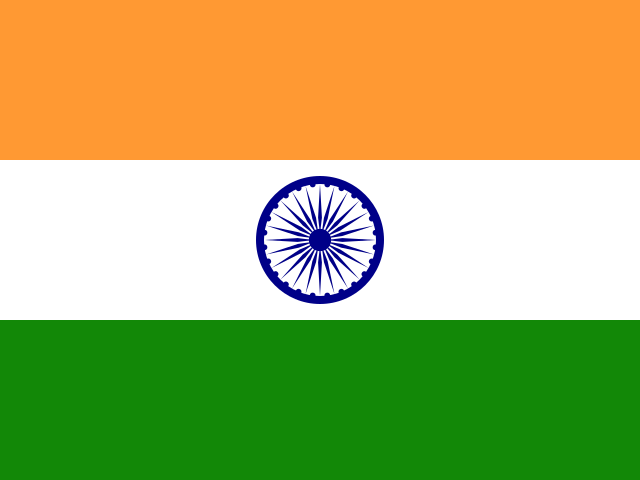
 India
Who was Mahatma Gandhi?
Mohandas Karamchand Gandhi was born in 1869 in Porbandar, in present-day Gujarat, India, and studied law in London. In 1893 he went to Natal in South Africa, where he campaigned against discriminatory laws affecting the Indian minority and developed satyagraha, or truth force, a method of nonviolent resistance. After returning to India in 1915 he became a leading figure in the Indian National Congress and led a series of nonviolent campaigns against British rule between the world wars. He was widely called Mahatma, meaning great-souled. He was assassinated in January 1948, months after India gained independence.
Political views
Taught that people should break unjust laws openly and accept punishment, using nonviolence as a matter of principle rather than tactics.
Source: nobelprize.orgArgued that soul-force or passive resistance was superior to brute force as a way to secure rights.
Source: mkgandhi.orgDescribed modern machinery as the chief symbol of modern civilization and blamed it for impoverishing India.
Source: mkgandhi.orgUrged swadeshi, the use of Indian hand-made goods instead of imported European cloth, and asked the wealthy to fund hand-looms.
Source: mkgandhi.orgInsisted that India could not cease to be one nation because people of different religions lived in it.
Source: mkgandhi.orgWorked to unite Hindus, Muslims and Christians and campaigned for the emancipation of the untouchables in Hindu society.
Source: nobelprize.org
Legacy
Gandhi is regarded in India as the Father of the Nation, and his methods of nonviolent resistance influenced Martin Luther King Jr., Nelson Mandela and many other movements. He was nominated for the Nobel Peace Prize several times but never received it, an omission the Nobel Committee later regretted. Critics have included Indian revolutionaries who considered nonviolence ineffective, Hindu nationalists who opposed his outreach to Muslims, and Dalit leaders such as B. R. Ambedkar who disputed his approach to caste. Historians also debate his early views on race in South Africa.
In their words
Machinery is the chief symbol of modern civilization; it represents a great sin.