
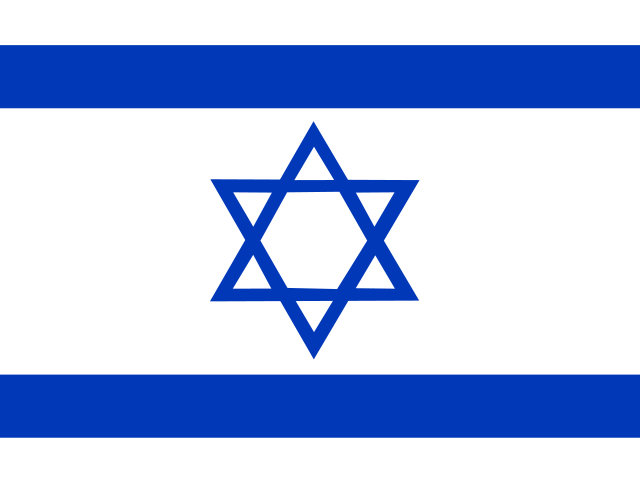
 Israel
Who was Yitzhak Rabin?
Yitzhak Rabin was born in Jerusalem in 1922 and joined the Palmach, the elite unit of the Haganah, in 1940. He commanded the Harel Brigade in the 1948 war and was chief of staff during the 1967 Six-Day War. After serving as ambassador to the United States, he became prime minister in 1974, the youngest Israeli to hold the post. He was defence minister from 1984 to 1990 and prime minister again from 1992. He shared the 1994 Nobel Peace Prize and was assassinated by a right-wing Israeli extremist after a peace rally in Tel Aviv in 1995.
Political views
As defence minister in 1985, introduced an 'Iron Fist' policy in the West Bank, reviving detention without trial, house demolitions and deportations.
Source: en.wikipedia.orgOrdered the army to put down the first intifada, then concluded that Palestinians under occupation could not be ruled by force and that negotiated peace was the only solution.
Source: news.bbc.co.ukSigned the 1993 Oslo agreement with the Palestine Liberation Organization and shook hands with Yasser Arafat at the White House.
Source: news.bbc.co.ukOversaw the signing of the 1994 peace treaty between Israel and Jordan.
Source: en.wikipedia.orgExpanded privatisation, moving away from Israel's traditionally socialised economy, and set up the Yozma programme to draw foreign venture capital into Israeli high-tech.
Source: en.wikipedia.orgIn his first term, placed special emphasis on strengthening the economy, solving social problems and reinforcing the army, and ordered the 1976 Entebbe rescue.
Source: nobelprize.orgHeld that democracies must sometimes fight to protect their citizens, but that only peace could truly safeguard human life.
Source: nobelprize.org
Legacy
Admirers see Rabin as a soldier who used his security credentials to persuade Israelis to accept compromise, and his assassination made him a symbol of the peace camp. Supporters of Oslo credit him with the first mutual recognition between Israel and the PLO and with peace with Jordan. Right-wing opponents called the accords a betrayal, and Hamas and other factions answered them with suicide bombings. Palestinians and many historians point to his role in the 1948 expulsion of the Arab population of Lydda and Ramle, and critics condemned the harsh measures he used against the intifada.
In their words
There is only one radical means of sanctifying human lives. Not armored plating, or tanks, or planes, or concrete fortifications. The one radical solution is peace.