
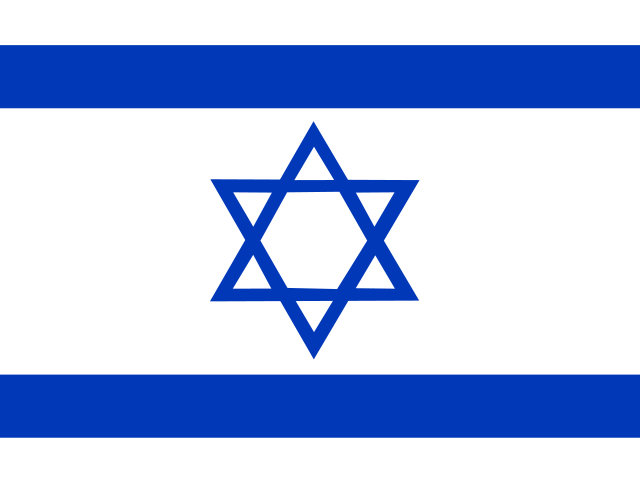
 Israel
Who was Golda Meir?
Golda Meir was born Golda Mabovitch in Kyiv, then in the Russian Empire, in 1898 and grew up in Milwaukee, Wisconsin, where she joined the Labor Zionist movement. She moved to Mandatory Palestine in 1921, lived on a kibbutz and became a senior official of the Histadrut labour federation. In 1948 she signed Israel's declaration of independence and became its first envoy to Moscow. She served as labour minister and then foreign minister, and became prime minister in 1969. She resigned in 1974 after the Yom Kippur War and died in 1978.
Political views
Devoted her career to the Labour movement's vision of Zionism, working for decades in the Histadrut trade union federation.
Source: news.bbc.co.ukAs labour minister, worked to establish social security, maternity benefits, work accident insurance and benefits for widows and orphans.
Source: en.wikipedia.orgBuilt temporary immigrant camps and then permanent housing to absorb the mass immigration of the early 1950s.
Source: en.wikipedia.orgAs foreign minister, ran an assistance programme for newly independent African states based on Israel's nation-building experience and cemented ties with the United States.
Source: jewishvirtuallibrary.orgSaw no need to compromise with the Palestinians while Israel was secure after 1967, and denied that a distinct Palestinian people existed.
Source: news.bbc.co.ukAccepted a 1970 US peace initiative to end the War of Attrition with Egypt, prompting the right-wing Gahal bloc to quit her government.
Source: en.wikipedia.orgAfter the 1972 Munich Olympics massacre, ordered Mossad to hunt down suspected leaders and operatives of Black September.
Source: en.wikipedia.org
Legacy
Admirers remember Meir as a tough, plain-spoken leader who personified the founding generation of Israel, and she was only the world's third woman prime minister. Many historians judge her more successful as labour minister than as prime minister. Her government was heavily criticised for being caught unprepared by the Egyptian and Syrian attack of October 1973. The Agranat Commission cleared her of direct responsibility, but she resigned months later. Critics argue that she rebuffed Egyptian peace overtures before the war, and her dismissal of Palestinian identity is often cited as a leading example of Israeli denial of Palestinian nationhood.