
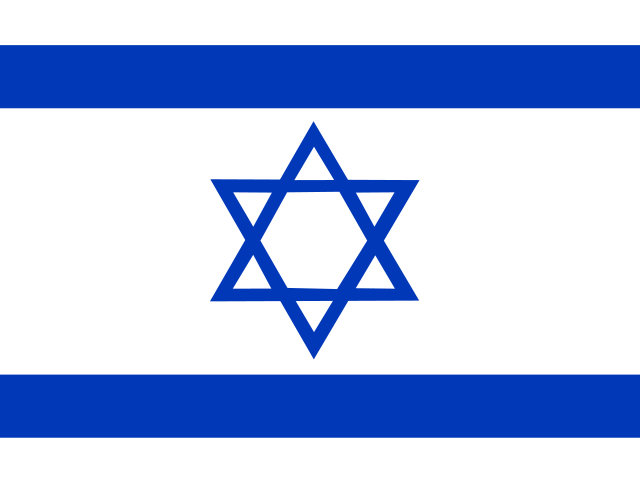
 Israel
Who was David Ben-Gurion?
David Ben-Gurion was born David Grün in Płońsk, then in the Russian Empire, in 1886 and moved to Ottoman Palestine in 1906. A Labor Zionist, he helped found the Histadrut labour federation and led the Mapai party and the Jewish Agency. On 14 May 1948 he read the declaration establishing the State of Israel. He served as prime minister and defence minister from 1948 to 1963, with a break in 1954-1955. He retired from politics in 1970 and died in 1973. He spent much of his retirement on a kibbutz in the Negev desert, which he hoped Israelis would settle.
Political views
Held that Jewish labour would provide the foundation of a Jewish state and built the Histadrut labour federation.
Source: news.bbc.co.ukSupported armed struggle against British rule but condemned groups that carried out acts of terrorism.
Source: news.bbc.co.ukInsisted after independence that all armed groups dissolve into a single Israel Defence Forces.
Source: news.bbc.co.ukProclaimed a state open to Jewish immigration that promised equal social and political rights to all inhabitants.
Source: avalon.law.yale.eduResisted regular US inspections of the Dimona nuclear reactor during a 1963 exchange with President Kennedy.
Source: nsarchive.gwu.eduArgued after the 1967 war against holding Arab territory beyond Jerusalem.
Source: news.bbc.co.ukEncouraged Jews to fight for the Allies in the Second World War while organising the smuggling of Jewish refugees into Palestine.
Source: news.bbc.co.ukMade building state institutions and absorbing large waves of new immigrants central tasks of his governments.
Source: news.bbc.co.uk
Legacy
Israelis widely regard Ben-Gurion as the country's founding father, crediting him with building the army, the state bureaucracy and the absorption of hundreds of thousands of immigrants. Admirers stress his decisiveness in 1948 and his pragmatism. Palestinians and many historians associate his leadership with the 1948 war in which hundreds of thousands of Palestinian Arabs fled or were expelled, known to Palestinians as the Nakba, and with the military government imposed on Arab citizens until 1966. Critics within Israel faulted his domineering style, the Lavon affair and his clashes with party colleagues.
In their words
It will ensure complete equality of social and political rights to all its inhabitants irrespective of religion, race or sex.