 Italy
Who was Luigi Einaudi?
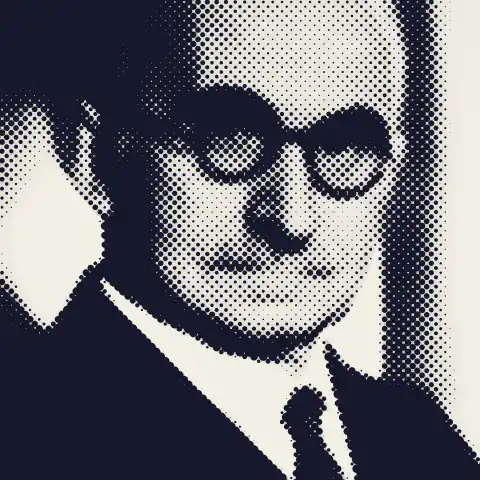
Luigi Einaudi was born in Carrù in Piedmont and became a professor of public finance in Turin and Milan, while writing for La Stampa, Corriere della Sera and The Economist. Appointed a senator of the Kingdom in 1919, he signed the anti-fascist intellectuals' manifesto in 1925 and stopped writing for Italian newspapers the following year. After 1943 he took refuge in Switzerland, where he debated federalism with Altiero Spinelli and Ernesto Rossi. He was governor of the Bank of Italy from 1945, then budget minister in 1947, when his credit restrictions halted runaway inflation. Elected president in May 1948, he served a full seven-year term and became a life senator.
Political views
Coined the Italian term liberismo for economic liberalism and argued against Benedetto Croce that political liberty could not be separated from economic freedom.
Source: treccani.itWrote against protectionism, including a 1919 article attacking protectionist excesses.
Source: en.wikipedia.orgCalled in 1944 for abolishing the prefect, the symbol of centralized rule, and building the state from the bottom up.
Source: treccani.itSupported a European federation and the overcoming of national sovereignty and nationalist rivalries.
Source: treccani.itBacked the monarchy in the 1946 referendum, arguing that a monarchy respecting local autonomy was better than a centralizing republic.
Source: treccani.itWas a member of the Mont Pelerin Society of liberal economists.
Source: en.wikipedia.org
Legacy
Einaudi is remembered as a founding father of the Italian Republic and a model of sober, constitutional presidency, and the Bank of Italy's economics institute bears his name. Supporters credit his 1947 stabilization with ending postwar inflation and preparing the economic miracle of the 1950s. Critics on the left argued that the credit squeeze raised unemployment and slowed recovery, and that his strict economic liberalism left little room for social reform. Historians also note that he initially welcomed the free-market programme of the first Fascist government before turning firmly against the regime. His federalist writings made him an early Italian voice for European unity.