 Italy
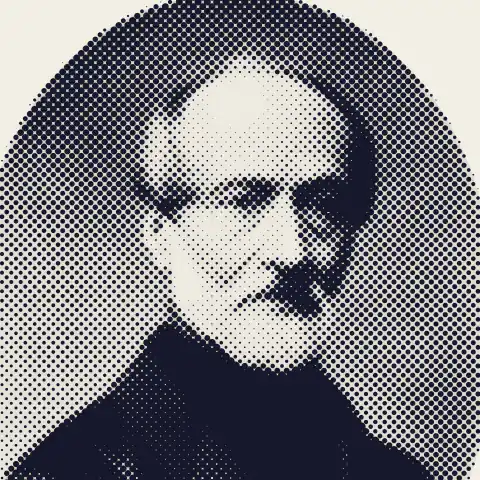
Who was Giuseppe Mazzini?
Giuseppe Mazzini was a Genoese lawyer and writer who joined the secret Carbonari and was arrested in 1830. In exile in Marseille he founded Young Italy in 1831 to work for "one, free, independent, republican nation", and in 1834 he launched Young Europe with Polish and German exiles. A string of failed risings left him condemned to death in absentia, and he spent most of his life in London. In 1849 he was one of three triumvirs of the short-lived Roman Republic. He refused to accept the Savoy monarchy that united Italy, opposed the Paris Commune and Marx's International, and died in Pisa in 1872.
Political views
Founded Young Italy to unite Italy as a single independent republic through a popular uprising.
Source: en.wikipedia.orgArgued in The Duties of Man that rights must be earned through duty, work and sacrifice, rejecting Enlightenment individualism.
Source: en.wikipedia.orgCalled for equality between women and men as a foundation of a democratic Italian nation.
Source: en.wikipedia.orgEngaged with socialist ideas of association but condemned Marxist class struggle and the Paris Commune.
Source: en.wikipedia.orgTook "God and the People" as his motto and called for a new religious and moral unity, while attacking the Pope's political rule.
Source: en.wikipedia.orgRefused to swear allegiance to the House of Savoy and kept campaigning for a republic after unification.
Source: treccani.it
Legacy
Mazzini is remembered with Garibaldi, Cavour and Victor Emmanuel II as a father of Italian unity, and his ideal of a republic was realized when Italians voted to end the monarchy in 1946. His writings on nations as partners in a wider humanity influenced leaders as different as Woodrow Wilson, Gandhi, Nehru and Sun Yat-sen, and early advocates of European unity. Critics in his own time blamed him for sending young followers to die in hopeless insurrections, and moderates such as Cavour saw him as a dangerous conspirator. Marx dismissed his politics as a middle-class republic, while Catholics resented his attacks on the papacy. Some scholars also note that very different movements, including fascism, later claimed his nationalism.