 India
Who was E. M. S. Namboodiripad?
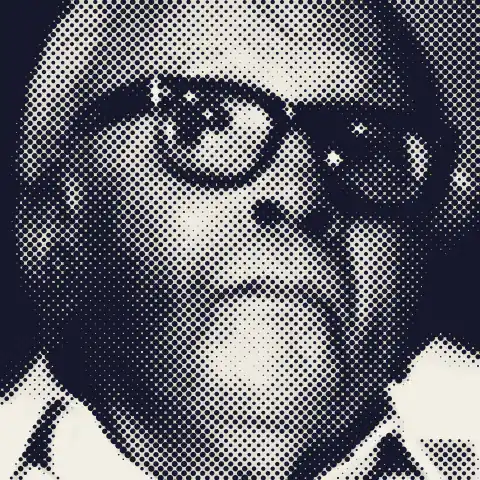
Elamkulam Manakkal Sankaran Namboodiripad was born in 1909 into a wealthy Nambudiri Brahmin family in Malabar and as a youth joined campaigns against orthodoxy within his own caste. He was jailed during the Civil Disobedience Movement, helped found the Congress Socialist Party in 1934 and joined the Communists, giving his inherited property to the party. In 1957 he became the first chief minister of the new state of Kerala. His government was dismissed by the centre in 1959. He sided with the Communist Party of India (Marxist) in the 1964 split, was chief minister again from 1967 to 1969, served as the party's general secretary for 14 years and died in 1998.
Political views
As chief minister introduced radical land and education reforms that helped make Kerala a leader in social indicators such as literacy.
Source: independent.co.ukCampaigned as a young man against bigamy and for inter-caste marriage, widow remarriage and the welfare of untouchables.
Source: independent.co.ukIntroduced administrative reforms to make village panchayats organs of local self-government, arguing that no progress was possible without democracy at the village level.
Source: marxists.orgNever repudiated the fundamentals of Marxism and adapted Marxist and Leninist ideas to Indian conditions in a large body of writing.
Source: independent.co.ukLed the faction that broke away from the Communist Party of India in 1964 to form the CPI(M), and later headed it as general secretary.
Source: en.wikipedia.orgSaid during the 1962 war with China that the left wanted the border dispute settled through talks, while rivals branded it pro-China.
Source: en.wikipedia.org
Legacy
Supporters see EMS as the architect of the Kerala model, crediting his land reform, education policy and later push for decentralised planning with Kerala's high literacy and social development, and Prime Minister Vajpayee praised his commitment to the working classes. His 1957 government was the first communist-led government elected in India. Opponents, led by church groups and the Nair Service Society with Congress support, fought his land and education bills in the Liberation Struggle of 1958 and 1959, which ended with the centre dismissing his government; his admirers, and his obituary in The Independent, saw the dismissal as driven by fear of communism. Critics also pointed to his lifelong commitment to Marxism-Leninism and to his airing of China's view of the border during the 1962 war.