 India
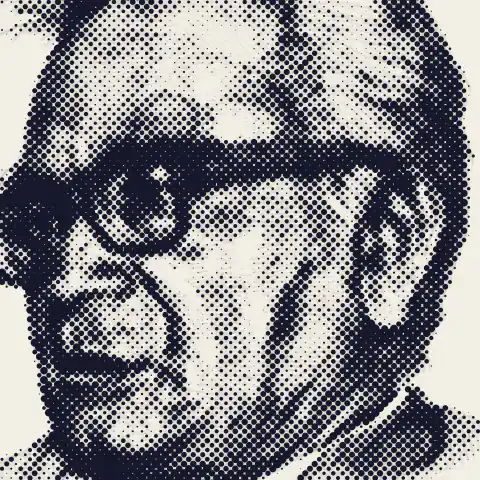
Who was Ram Manohar Lohia?
Ram Manohar Lohia was born in 1910 at Akbarpur in present-day Uttar Pradesh and studied economics in Berlin. He helped found the Congress Socialist Party in 1934 and ran clandestine radio stations during the Quit India movement of 1942 before being jailed in Lahore Fort. In 1946 he defied a ban on public meetings in Portuguese Goa, a date now marked as Goa Revolution Day. After independence he left the Congress, led a series of socialist parties and entered the Lok Sabha in 1963. He died in 1967 after complications from surgery.
Political views
Argued that the caste system had to be dismantled rather than reformed and favoured special opportunities for backward castes, which set him apart from Gandhi.
Source: indianexpress.comProposed seven revolutions in 1963, against inequality of sex, colour and caste and foreign domination, for economic equality and privacy, and for limits on armaments.
Source: en.wikipedia.orgTold the Lok Sabha in 1963 that about 27 crore Indians lived on roughly three annas a day and called much of the Five-Year Plan's outlay wasteful.
Source: theprint.inLed a campaign against the use of English in public life and against elite English-medium schools.
Source: en.wikipedia.orgShared Gandhi's opposition to capitalism and his support for a village economy, while making democratic socialism the core of his parties.
Source: indianexpress.comBuilt an anti-Congress alliance, including the Bharatiya Jana Sangh, that defeated the Congress in several states in 1967.
Source: en.wikipedia.org
Legacy
Lohia is a founding inspiration for the socialist and backward-caste parties of north India, and leaders across the spectrum, from the Samajwadi Party to the BJP, pay tribute to him. Admirers remember an incorruptible campaigner who died with no house or property, was arrested more than 25 times and gave lower castes a voice in politics; Jayaprakash Narayan called him the messiah of the poor. Critics saw his campaign against English as a threat to non-Hindi speakers, and he was stoned at an anti-English meeting in Tamil Nadu in 1961. Others say his non-Congressism legitimised the Jana Sangh and produced unstable coalitions, a concern Lohia himself voiced when his ministers seemed more interested in power than in socialist policy.