 France
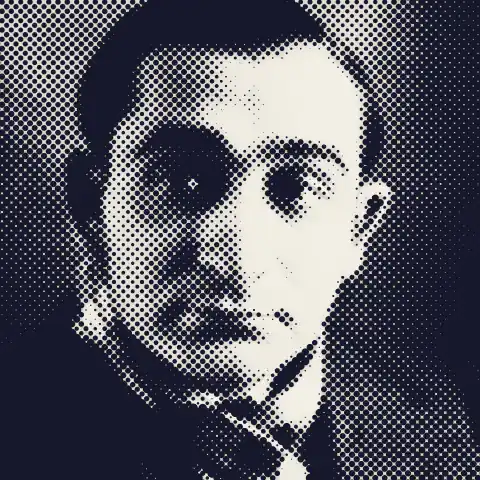
Who was Pierre Mendès France?
Pierre Mendès France became a lawyer at 19 and in 1932 the youngest deputy in the Chamber, specializing in public finance. He served under Léon Blum in 1938, escaped from a Vichy prison and flew with the Free French air force, then was de Gaulle's minister of the national economy until he resigned in 1945. He led the French delegation at the Bretton Woods conference in 1944. As prime minister from June 1954 to February 1955 he negotiated the Geneva Accords on Indochina and spoke at Carthage in favor of Tunisian self-government. He opposed de Gaulle's return in 1958, joined the small Unified Socialist Party and sat again briefly as a deputy in 1967-1968.
Political views
Argued from 1950 that the war in Indochina could not be won and that France should negotiate, which he did at Geneva in July 1954.
Source: www2.assemblee-nationale.frProposed a currency exchange and a temporary freeze on bank accounts and wages to fight inflation in 1944-1945, and resigned when the policy was rejected.
Source: www2.assemblee-nationale.frSummed up his approach as "to govern is to choose", insisting on setting clear priorities and telling voters hard truths.
Source: www2.assemblee-nationale.frDeclared Algeria part of the Republic in 1954 and ruled out secession, but later favored a negotiated settlement and voted against special powers in 1957.
Source: www2.assemblee-nationale.frOpposed the Treaties of Rome in 1957, objecting to a common market without Britain and dominated by large firms.
Source: www2.assemblee-nationale.frRefused his confidence to de Gaulle in June 1958, saying he could not cast a vote forced by insurrection and the threat of a military coup.
Source: www2.assemblee-nationale.frGave the go-ahead in 1954 to military nuclear research by the French Atomic Energy Commission.
Source: en.wikipedia.org
Legacy
Admirers, including many on the centre-left, see Mendès France as a model of integrity and candour whose short government settled Indochina and set Tunisia on the road to independence; President Mitterrand paid public tribute to him after his death. His influence on later reformers, from the Unified Socialist Party to the Socialist Party, was large despite his few months in power. Pro-Europeans never forgave him for letting the European Defence Community fall in August 1954, and supporters of French Algeria accused him of abandoning the empire, while the far right attacked him with open antisemitism. Critics on the left noted his early firmness in Algeria, and others argue that his refusal of the Fifth Republic kept him out of power for good.