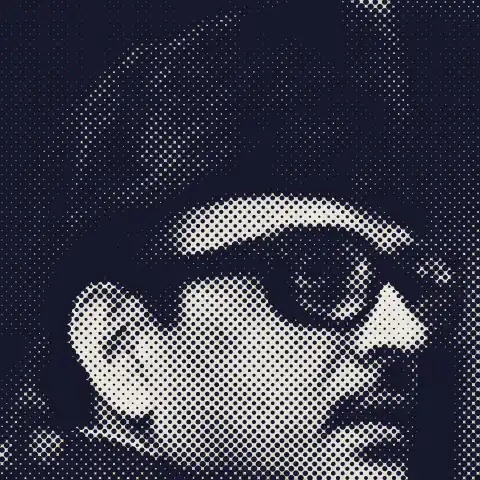
 India
Who was V. P. Singh?
Vishwanath Pratap Singh was born in Allahabad in 1931 into a landed Rajput family and took part in the Bhoodan land-gift movement in 1957. A Congress politician, he served as chief minister of Uttar Pradesh and then as Rajiv Gandhi's finance and defence minister, before leaving the party in 1987 amid the Bofors arms deal controversy. He founded the Janata Dal and in December 1989 became prime minister of a minority National Front government supported from outside by the Left and the BJP. It fell in November 1990. He died in 2008.
Political views
As finance minister, reduced government regulation of business and gave tax investigators wide powers, raiding prominent suspected evaders.
Source: en.wikipedia.orgBuilt his 1989 campaign on charges that commissions had been paid on the Bofors gun deal, and was never himself linked to corruption.
Source: tribuneindia.comIn August 1990 announced reservations in central government jobs for socially and educationally backward classes under the Mandal Commission report.
Source: thepolisproject.comArgued that reservations were not meant to solve poverty but to give the backward classes a share in decision-making and the power structure.
Source: thepolisproject.comHis government arrested L. K. Advani during the Ram temple procession, and fell when the BJP withdrew its support.
Source: en.wikipedia.orgVisited the Golden Temple to ask forgiveness for Operation Blue Star and ended the Indian army's mission in Sri Lanka.
Source: en.wikipedia.orgIn retirement joined farmers protesting a corporate land acquisition at Dadri, and was arrested on his way there.
Source: en.wikipedia.org
Legacy
Supporters remember Singh as a clean politician who gave the Other Backward Classes a place in government jobs and changed the course of Indian politics; the Supreme Court later upheld the reservations. Opponents argued that the Mandal decision deepened caste divisions and was a hasty move to outflank rivals inside his own party, and upper-caste students protested across north India, some by setting themselves on fire. Critics also fault his short government for its handling of Kashmir, where militants were freed in a hostage deal and Kashmiri Hindus fled the valley in 1989 and 1990.
In their words
With a heterogeneous socio-economic system, the political system cannot be homogeneous.