 United States
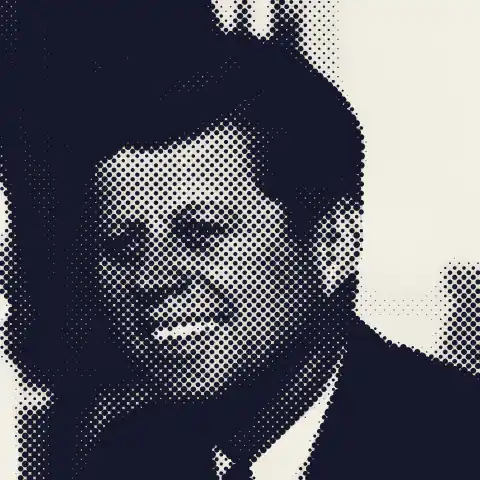
Who was John F. Kennedy?
John F. Kennedy (1917-1963), a Democrat from Massachusetts, served in the U.S. House and Senate before narrowly winning the 1960 presidential election, becoming the youngest person elected president and the first Roman Catholic to hold the office. His New Frontier program called for federal action on education, health care for the elderly, economic growth and civil rights, though much of it stalled in Congress during his lifetime. His foreign policy centered on the Cold War, including crises over Cuba and Berlin. He was assassinated in Dallas in November 1963.
Political views
Proposed federal aid to education and medical care for the elderly and won a minimum wage increase, though several initiatives stalled in Congress.
Source: millercenter.orgOpposed federal aid to parochial schools, holding a strict church-state position as a Catholic president.
Source: millercenter.orgFramed civil rights as a moral question in a June 1963 national address and proposed broad civil rights legislation.
Source: presidency.ucsb.eduApproved the 1961 Bay of Pigs invasion of Cuba and in 1962 imposed a naval blockade to force removal of Soviet missiles from the island.
Source: millercenter.orgAnnounced the Alliance for Progress in 1961 and created the Peace Corps by executive order to support development abroad.
Source: millercenter.orgChampioned the space program and the goal of landing a man on the moon.
Source: millercenter.orgSecured a 1963 agreement with Britain and the Soviet Union to limit nuclear testing.
Source: millercenter.org
Legacy
Kennedy remains one of the most popular presidents in public opinion, and admirers credit his rhetoric, the peaceful resolution of the Cuban Missile Crisis, the space program and his civil rights commitment with inspiring a generation of public service. Critics and many historians note that his legislative record was modest, that the Bay of Pigs was a costly failure and that his administration deepened U.S. involvement in Vietnam. Conservatives later cited his tax-cut proposals and anticommunism, while liberals emphasize his civil rights and social-policy goals, so both sides claim parts of his record.
In their words
We are confronted primarily with a moral issue. It is as old as the scriptures and is as clear as the American Constitution.