 United States
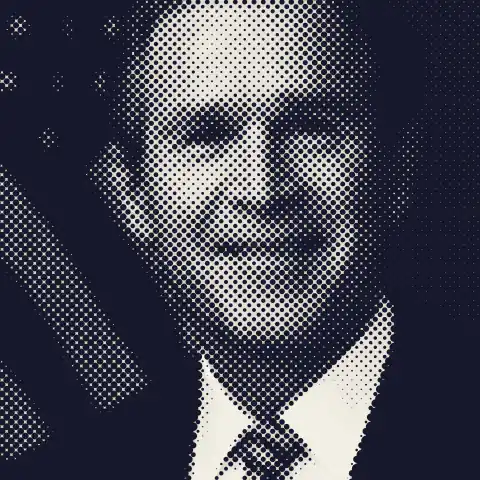
Who is George W. Bush?
George Walker Bush was born in New Haven, Connecticut, in 1946, the son of the future president George H. W. Bush, and grew up in Texas. After Yale, Harvard Business School and the oil business, he was elected governor of Texas in 1994. He won the disputed 2000 presidential election and was re-elected in 2004, campaigning as a 'compassionate conservative'. His presidency was defined by the September 11, 2001 attacks and the wars that followed. Since leaving office he has founded the George W. Bush Presidential Center in Dallas and largely stayed out of day-to-day politics.
Political views
Signed tax cuts in 2001 and 2003 that reduced federal revenue by an estimated $4 trillion over ten years.
Source: millercenter.orgSigned No Child Left Behind in 2002 and added a prescription drug benefit to Medicare in 2003.
Source: millercenter.orgCreated federal faith-based initiatives by executive order and proposed private accounts within Social Security.
Source: millercenter.orgCalled in 2004 for a constitutional amendment to protect marriage as the union of a man and a woman.
Source: georgewbush-whitehouse.archives.govProposed in 2006 more border agents, a temporary worker program and an earned path to citizenship for long-settled undocumented immigrants who paid a penalty and learned English.
Source: georgewbush-whitehouse.archives.govSet out a national security strategy of preventive war and spreading democracy, and invaded Iraq in 2003 over weapons of mass destruction that were not found.
Source: millercenter.orgLaunched PEPFAR, a $15 billion HIV/AIDS initiative that had paid for treatment of 2.1 million people by 2009.
Source: millercenter.org
Legacy
Supporters credit Bush with uniting the country after September 11, preventing another major attack on US soil during his presidency, PEPFAR's global health impact and decisive action in the 2008 financial crisis. Critics argue that the Iraq War was launched on faulty intelligence, cost hundreds of thousands of lives and destabilised the region, and that detention at Guantanamo, harsh interrogation methods widely described as torture, the Abu Ghraib abuses and warrantless surveillance damaged civil liberties and America's reputation. The federal response to Hurricane Katrina in 2005 was widely criticised, and critics blame his tax cuts for larger deficits. His public standing has partly recovered since he left office.