 United States
Who was George H. W. Bush?
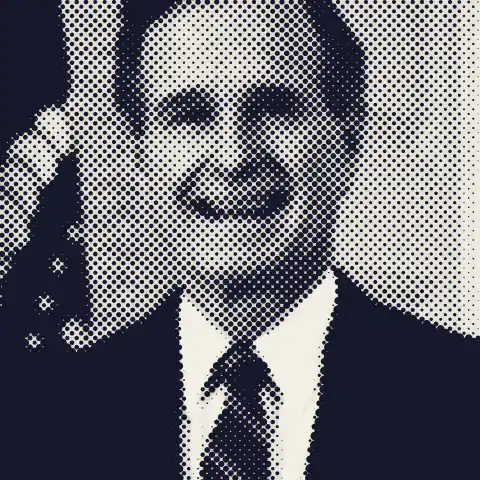
George H. W. Bush (1924-2018) was a Navy pilot in World War II, a Yale graduate and a Texas oilman before serving as a congressman, ambassador to the United Nations, envoy to China, director of Central Intelligence and, for eight years, Ronald Reagan's vice president. Elected president in 1988, he presided over the fall of the Berlin Wall, the reunification of Germany and the dissolution of the Soviet Union. He sent troops to Panama to remove Manuel Noriega and led a coalition that drove Iraq out of Kuwait in 1991. At home he signed major disability, environmental and immigration laws, but a recession and his reversal on taxes contributed to his defeat by Bill Clinton in 1992.
Political views
Pledged 'Read my lips: no new taxes' in 1988, then accepted tax increases in the 1990 budget agreement to reduce the deficit.
Source: millercenter.orgSigned the Americans with Disabilities Act of 1990, banning discrimination against people with disabilities.
Source: millercenter.orgTook the lead on the Clean Air Act Amendments of 1990, targeting smog, acid rain and industrial emissions.
Source: millercenter.orgOpposed flag burning and abortion and supported free trade and community volunteerism.
Source: millercenter.orgNegotiated and signed the North American Free Trade Agreement with Canada and Mexico.
Source: en.wikipedia.orgSent U.S. forces into Panama in 1989 to remove Manuel Noriega and assembled a coalition that expelled Iraq from Kuwait in 1991.
Source: millercenter.org
Legacy
Historians generally credit Bush with skilled diplomacy at the end of the Cold War, including the peaceful reunification of Germany, and with a Gulf War coalition backed by the United Nations. Supporters also point to bipartisan laws such as the Americans with Disabilities Act and the Clean Air Act Amendments. Conservatives criticized him for breaking his no-new-taxes pledge, and his rival Pat Buchanan's 1992 primary challenge reflected that anger. Critics on the left faulted his 1988 campaign's use of the Willie Horton furlough case, which they saw as a racial appeal, and his handling of the recession of 1990-1991. The invasion of Panama drew international criticism as a violation of sovereignty, and his decision to end the Gulf War without removing Saddam Hussein remains debated.