
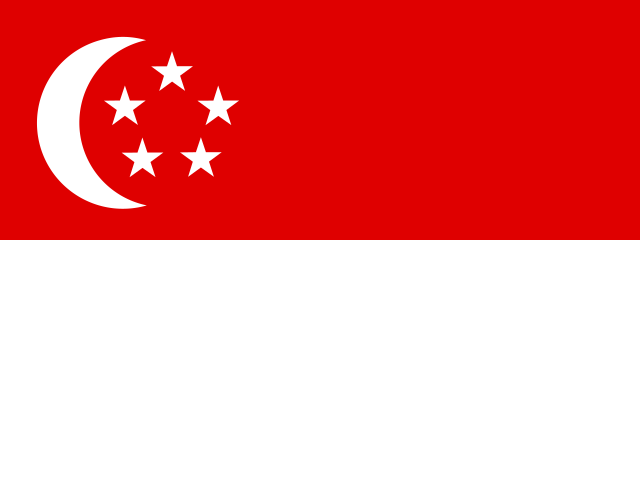
 Singapore
Who was Lee Kuan Yew?
Lee Kuan Yew was born in Singapore in 1923, studied law at Cambridge and returned to work as a lawyer for trade unions. In 1954 he co-founded the People's Action Party (PAP), which won the 1959 election, making him the colony's first prime minister. He led Singapore into Malaysia in 1963 and, after its expulsion in 1965, into full independence. He served as prime minister until 1990 and stayed in cabinet as senior minister and minister mentor until 2011. He died in 2015 at age 91.
Political views
Promoted a multiracial Singapore in which Chinese, Malay and Indian citizens would have equal standing in language, culture and religion.
Source: nas.gov.sgRelied on foreign capital and multinationals to create jobs, while the state built public housing, a large provident fund and major state-linked companies.
Source: theguardian.comArgued that Singapore must be able to defend itself and survive among larger neighbours, later building strong armed forces and national service.
Source: nas.gov.sgRetained detention without trial under internal security laws and used mass detentions of left-wing opponents in the early 1960s.
Source: theguardian.comBrought and won defamation suits against critics and publications, including a 2008 case against the Far Eastern Economic Review.
Source: news.bbc.co.ukDescribed east Asian success as a triumph of discipline, order and respect for authority, often summarised as 'Asian values'.
Source: theguardian.comSought an independent, non-communist Malaya and took Singapore into the Federation of Malaysia in 1963, before its separation in 1965.
Source: theguardian.com
Legacy
Singapore grew from a trading port into one of the world's richest countries during and after his time in office, and admirers credit his government with low corruption, high-quality public housing and education, and a stable multiracial society. The Singapore government describes him as the founding prime minister. Critics, including human rights groups and the Guardian's obituary writer, point to detention without trial, restrictions on the press, defamation suits that bankrupted opposition politicians, and policies such as incentives for graduate mothers that they see as social engineering. Debate continues over how far Singapore's success depended on his methods.
In their words
We are going to have a multi-racial nation in Singapore. We will set the example. This is not a Malay nation; this is not a Chinese nation; this is not an Indian nation.