
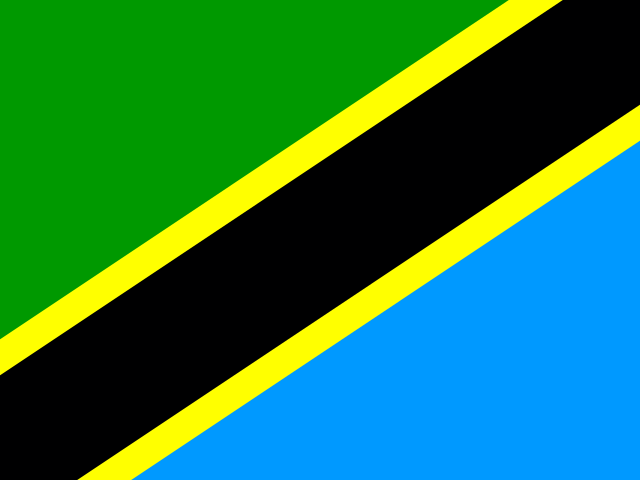
 Tanzania
Who was Julius Nyerere?
Julius Kambarage Nyerere was born in Butiama in 1922, the son of a Zanaki chief, and studied at Makerere College and the University of Edinburgh. A teacher by training, he turned the Tanganyika African Association into TANU in 1954 and led Tanganyika to independence in 1961. He became president in 1962 and of the united Tanzania after the 1964 union with Zanzibar. His government made TANU the only legal party, nationalized banks and major industries, and from 1973 forcibly resettled millions of rural people. He stepped down in 1985 and died in London in 1999.
Political views
Called for the major means of production and exchange to be controlled and owned by peasants and workers through their government and cooperatives.
Source: marxists.orgArgued that development depends on people, land, good policies and leadership rather than money or foreign aid.
Source: marxists.orgSet a leadership code barring party and government leaders from holding company shares, directorships or rental properties.
Source: marxists.orgPromoted Ujamaa villages based on communal work, which from 1973 became a forced resettlement of rural households.
Source: en.wikipedia.orgSupported a one-party state and a 1962 law allowing detention without trial, while admitting it could be abused.
Source: en.wikipedia.orgCo-founded the Organisation of African Unity and backed liberation movements in Angola, Mozambique and South Africa.
Source: sahistory.org.zaWarned in 1998 against weakening African states, calling instead for strong but democratic states with term limits.
Source: marxists.org
Legacy
Nyerere is honored in Tanzania as the Father of the Nation and across Africa as an anti-colonial leader of personal integrity. Admirers credit him with building a stable, unified state, expanding schooling and health care, and supporting the struggle against white-minority rule. Critics point to the one-party state and detention without trial as authoritarian. During Operation Vijiji, according to anthropologist John Shao, more than seven million people were moved between 1973 and 1975 and about four million more by the end of 1976, often against their will. Collective farming lowered agricultural output and left some areas dependent on food aid, and his successor reversed many of his economic policies. He was later respected as a mediator in the Burundian civil war.
In their words
Money, and the wealth it represents, is the result and not the basis of development.