 Brazil
Who was Ernesto Geisel?
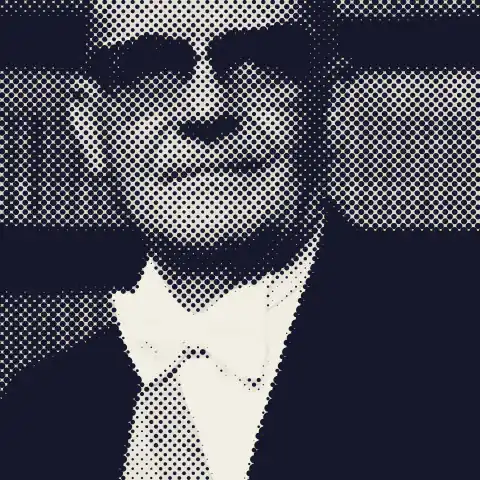
Ernesto Geisel was born in Bento Gonçalves, Rio Grande do Sul, to a Lutheran family of German immigrants. An artillery officer, he took part in the 1930 revolution, served in the Castelo Branco government as chief of the Military Household and ran the state oil company Petrobras from 1969 to 1973. Chosen by the military high command and confirmed by an electoral college, he took office in March 1974 promising a 'slow, gradual and secure' political relaxation. His government expanded state investment in energy and basic industry, clashed with military hard-liners over abuses by the security services and ended the institutional acts at the close of his term. He handed power to his chosen successor, João Figueiredo, in March 1979 and died in Rio de Janeiro in 1996.
Political views
Defined his political project as a 'slow, gradual and secure' opening, seeking the most development possible with the minimum security indispensable.
Source: www18.fgv.brApproved the Second National Development Plan for 1975-1979, a state-led program of investment in energy, steel, petrochemicals and capital goods.
Source: planalto.gov.brClosed Congress in April 1977 and decreed constitutional changes, including indirectly chosen senators, to secure the government party's majority.
Source: planalto.gov.brRemoved the commander of the Second Army in January 1976 after metalworker Manoel Fiel Filho died in army custody, three months after the death of journalist Vladimir Herzog in the same facility.
Source: www18.fgv.brSanctioned the 1977 law that allowed divorce in Brazil.
Source: planalto.gov.brRecognized the MPLA government of Angola in 1975 and renounced the 1952 military agreement with the United States in 1977 amid disputes over human rights and nuclear policy.
Source: www18.fgv.brPromoted the 1978 constitutional amendment that revoked the institutional acts, including AI-5, from January 1979.
Source: planalto.gov.br
Legacy
Admirers credit Geisel with starting the transition that led to civilian rule in 1985, with confronting military hard-liners and with building industrial and energy capacity, including hydroelectric and nuclear projects. Critics stress that repression continued under his rule. Journalist Vladimir Herzog was killed in October 1975 in São Paulo's DOI-CODI, which officially claimed suicide, and Manoel Fiel Filho died there in January 1976. A CIA memorandum of April 1974, declassified in 2018, reported that Geisel approved the continued summary execution of 'dangerous subversives' and that about 104 people had been executed in the previous year. Economists argue that the Second Development Plan was financed with foreign debt that fed the debt crisis of the 1980s. His 1977 dismissal of Army Minister Sylvio Frota, the leading hard-line candidate for the succession, is seen as the moment he secured control over the opening.
In their words
The maximum possible development with the minimum indispensable security.