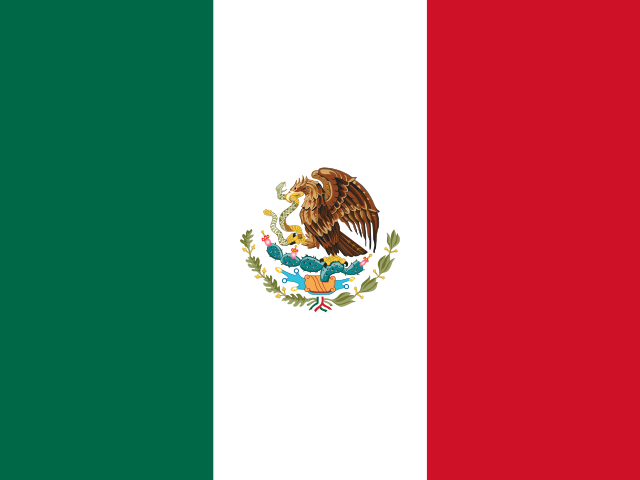
 Mexico
Overview
Morena is the dominant party in Mexican politics and the vehicle of what its leaders call the Fourth Transformation, a program presented as a break with the market-oriented policies of earlier governments. It expanded cash transfer programs, raised the minimum wage and restored the public character of the state oil and power companies, while keeping a free trade agreement with the United States and Canada. At the 2 June 2024 election Claudia Sheinbaum won the presidency with 61.18% of the vote, and Morena, the Ecologist Green Party and the Labor Party together won 364 of 500 seats in the Chamber of Deputies. The coalition's two-thirds majority allowed it to pass constitutional changes, including the 2024 judicial reform that made judges elected by popular vote. Critics, including opposition parties and human rights groups, argue that these reforms weaken judicial independence and checks on the executive, while Morena says they make institutions more accountable. In March 2026 Sheinbaum's electoral reform failed in the Chamber of Deputies after its own allies voted against it. Ariadna Montiel Reyes has been the party's national president since May 2026.
Key positions
Backed the 2024 constitutional reform under which federal judges, including Supreme Court justices, are chosen by popular vote.
Source: en.wikipedia.orgVoted for the 2024 constitutional reform that turned Pemex and the Federal Electricity Commission back into public state enterprises.
Source: zetatijuana.comVoted in 2024 to place the National Guard under the Ministry of National Defense.
Source: zetatijuana.comSupported the constitutional reform published in March 2026 that cuts the maximum working week from 48 to 40 hours in stages by 2030.
Source: politica.expansion.mxVoted in December 2025 to raise tariffs on goods such as textiles, steel and vehicles from countries without trade agreements with Mexico, including China.
Source: politica.expansion.mxBacked Sheinbaum's 2026 electoral reform proposal to cut public electoral funding by about a quarter and remove proportional representation seats from the Senate.
Source: elfinanciero.com.mxAfter that reform failed, passed a narrower amendment in April 2026 capping pay for electoral officials and limiting the budgets of state legislatures and the Senate.
Source: elfinanciero.com.mxVoted in May 2026 to move the second judicial election from 2027 to 2028, citing the burden of holding it alongside the federal midterms.
Source: zetatijuana.com
History
Morena began in 2011 as a civil association led by Andrés Manuel López Obrador, who had narrowly lost the disputed 2006 presidential election as the candidate of the Party of the Democratic Revolution (PRD). López Obrador left the PRD in 2012, and Morena was registered as a national party in 2014. It won 35 seats in the Chamber of Deputies at its first federal election in 2015. In 2018 López Obrador won the presidency with about 53% of the vote at the head of a coalition that included the Labor Party. Morena then won most of the country's governorships, and Sheinbaum, a former head of government of Mexico City, succeeded López Obrador in October 2024. The Senate supermajority was completed through defections from opposition parties in 2024.
Support
Morena draws its strongest support from voters with less formal education, older voters and the south of the country. In the El Financiero exit poll of the 2024 election, Sheinbaum won 72% among men with basic schooling and 73% among women in the south, but only 45% among women with university degrees. Morena alone took 42.40% of the vote for the Chamber of Deputies in 2024, and the party governs a large majority of Mexico's 32 states.
Sources: elfinanciero.com.mx, en.wikipedia.org